

As a supplier of 15KW Variable Frequency Drives (VFDs), I've witnessed firsthand the critical role that over-temperature protection plays in the reliable operation of these devices. In this blog post, I'll delve into the intricacies of how over-temperature protection works on a 15KW VFD, shedding light on the mechanisms and technologies that safeguard these powerful units from the perils of excessive heat.
Understanding the Importance of Over-Temperature Protection
Before we explore the inner workings of over-temperature protection, it's essential to understand why it's so crucial for VFDs. A VFD is a complex electronic device that controls the speed and torque of an electric motor by varying the frequency and voltage of the power supplied to it. During operation, VFDs generate heat due to the electrical losses within their components, such as the power semiconductors, capacitors, and inductors.
Excessive heat can have a detrimental impact on the performance and lifespan of a VFD. High temperatures can cause the electrical properties of the components to change, leading to increased power losses, reduced efficiency, and potential damage to the sensitive electronic circuits. In extreme cases, overheating can even result in a complete failure of the VFD, leading to costly downtime and repairs.
Over-temperature protection is designed to prevent these issues by monitoring the temperature of the VFD's critical components and taking appropriate action to prevent the temperature from exceeding safe operating limits. By doing so, it ensures the reliable and efficient operation of the VFD, extending its lifespan and reducing the risk of costly failures.
How Over-Temperature Protection Works
Over-temperature protection on a 15KW VFD typically involves a combination of hardware and software components working together to monitor and control the temperature of the device. Let's take a closer look at the key elements of this protection system.
Temperature Sensors
The first step in over-temperature protection is to accurately measure the temperature of the VFD's critical components. This is typically done using temperature sensors, which are strategically placed throughout the VFD to monitor the temperature of the power semiconductors, heat sinks, and other high-temperature areas.
There are several types of temperature sensors that can be used in a VFD, including thermistors, thermocouples, and infrared sensors. Thermistors are the most commonly used type of temperature sensor in VFDs due to their high sensitivity, low cost, and ease of integration. They work by changing their resistance in response to changes in temperature, which can be measured and converted into a temperature reading by the VFD's control circuit.
Control Circuit
Once the temperature sensors have measured the temperature of the VFD's critical components, the information is sent to the VFD's control circuit. The control circuit is responsible for processing this information and determining whether the temperature is within safe operating limits.
If the temperature exceeds a pre-set threshold, the control circuit will activate the over-temperature protection mechanism. This can involve a variety of actions, depending on the design of the VFD and the severity of the overheating. In some cases, the control circuit may simply issue a warning signal to the operator, indicating that the VFD is approaching its temperature limit. In more severe cases, the control circuit may reduce the output power of the VFD or even shut it down completely to prevent damage to the device.
Cooling System
In addition to monitoring and controlling the temperature of the VFD, over-temperature protection also involves ensuring that the device has an adequate cooling system to dissipate the heat generated during operation. A typical 15KW VFD will have a cooling system that consists of a heat sink, a fan, and a ventilation system.
The heat sink is a passive cooling device that is designed to absorb and dissipate the heat generated by the VFD's power semiconductors. It is typically made of a high-conductivity material, such as aluminum or copper, and has a large surface area to maximize the heat transfer rate.
The fan is an active cooling device that is used to increase the airflow over the heat sink, improving the heat transfer rate and reducing the temperature of the VFD. The fan is typically controlled by the VFD's control circuit, which adjusts the speed of the fan based on the temperature of the device.
The ventilation system is designed to ensure that the air inside the VFD enclosure is constantly refreshed, preventing the buildup of hot air and reducing the temperature of the device. It typically consists of air intake and exhaust vents, as well as a duct system to direct the airflow.
Software Algorithms
In addition to the hardware components, over-temperature protection on a 15KW VFD also involves the use of software algorithms to optimize the performance of the protection system. These algorithms are designed to analyze the temperature data collected by the sensors and make intelligent decisions about how to respond to changes in temperature.
For example, some VFDs use predictive algorithms to anticipate when the temperature is likely to exceed the safe operating limits and take proactive measures to prevent overheating. These algorithms can take into account factors such as the load on the VFD, the ambient temperature, and the history of temperature fluctuations to make accurate predictions about the future temperature of the device.
Other software algorithms are designed to optimize the performance of the cooling system by adjusting the speed of the fan and the airflow based on the temperature of the VFD. These algorithms can help to reduce the energy consumption of the cooling system while still maintaining the temperature of the VFD within safe operating limits.
Types of Over-Temperature Protection
There are several types of over-temperature protection that can be used in a 15KW VFD, each with its own advantages and disadvantages. Let's take a closer look at the most common types of over-temperature protection.
Thermal Overload Protection
Thermal overload protection is the most basic type of over-temperature protection and is typically included as a standard feature in most VFDs. It works by monitoring the temperature of the VFD's power semiconductors and shutting down the device if the temperature exceeds a pre-set threshold.
Thermal overload protection is a simple and effective way to prevent damage to the VFD due to overheating, but it has some limitations. For example, it can only protect against overheating caused by excessive current or power dissipation, and it does not take into account other factors that can affect the temperature of the VFD, such as the ambient temperature or the ventilation conditions.
Ambient Temperature Compensation
Ambient temperature compensation is a more advanced type of over-temperature protection that takes into account the ambient temperature when determining the safe operating limits of the VFD. It works by adjusting the temperature threshold based on the ambient temperature, so that the VFD can operate safely in a wider range of environmental conditions.
Ambient temperature compensation is a more effective way to prevent overheating than thermal overload protection, but it requires more sophisticated sensors and control algorithms. It also adds to the cost and complexity of the VFD.
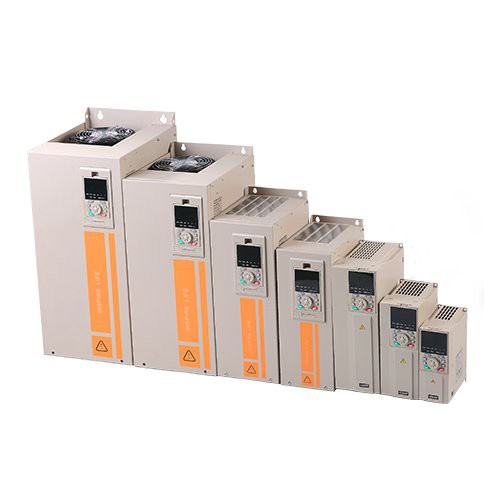

Intelligent Over-Temperature Protection
Intelligent over-temperature protection is the most advanced type of over-temperature protection and uses a combination of hardware and software components to provide comprehensive protection against overheating. It works by continuously monitoring the temperature of the VFD's critical components, as well as other factors such as the load on the VFD, the ambient temperature, and the history of temperature fluctuations.
Intelligent over-temperature protection can take proactive measures to prevent overheating, such as adjusting the output power of the VFD, increasing the speed of the fan, or shutting down the device if necessary. It can also provide detailed diagnostic information about the temperature of the VFD, allowing the operator to identify and address potential issues before they cause damage to the device.
Conclusion
Over-temperature protection is a critical feature of any 15KW VFD, as it ensures the reliable and efficient operation of the device by preventing damage due to overheating. By understanding how over-temperature protection works and the different types of protection available, you can make an informed decision when choosing a VFD for your application.
If you're in the market for a 15KW VFD, I encourage you to consider our products. As a leading supplier of VFDs, we offer a wide range of high-quality products that are designed to meet the needs of various applications. Our VFDs are equipped with advanced over-temperature protection features, including intelligent algorithms and ambient temperature compensation, to ensure the reliable and efficient operation of your equipment.
If you have any questions or would like to learn more about our products, please don't hesitate to contact us. We're here to help you find the right VFD for your application and provide you with the support and service you need to ensure its successful operation.