

A brake unit is a critical component in various industrial and automotive applications, responsible for safely decelerating or stopping machinery and vehicles. Over time, due to continuous use and wear, a brake unit can become worn out, leading to decreased performance and potential safety risks. As a leading Brake Unit [/vfd-parts/brake-unit.html] supplier, we understand the importance of identifying the signs of a worn - out brake unit to ensure the safety and efficiency of your operations. In this blog, we will discuss the common signs that indicate a brake unit may be in need of replacement.
1. Reduced Braking Power
One of the most obvious signs of a worn - out brake unit is reduced braking power. When you apply the brakes, the vehicle or machinery should come to a stop smoothly and within a reasonable distance. If you notice that it takes longer to stop or that the braking force is significantly weaker than before, it could be a sign that the brake unit is worn. This can be caused by worn brake pads, a damaged brake disc or drum, or a malfunctioning hydraulic system.
Brake pads are designed to create friction against the brake disc or drum, which in turn slows down the rotation of the wheels. As the brake pads wear down, their ability to generate friction decreases, resulting in reduced braking power. If the brake pads are worn beyond their recommended thickness, they should be replaced immediately to avoid further damage to the brake system.
Similarly, a damaged brake disc or drum can also affect braking performance. Cracks, grooves, or excessive wear on the surface of the brake disc or drum can reduce the contact area between the brake pads and the disc/drum, leading to decreased friction and braking power. In such cases, the brake disc or drum may need to be resurfaced or replaced.
2. Unusual Noises
Another tell - tale sign of a worn - out brake unit is the presence of unusual noises when you apply the brakes. Squealing, grinding, or rattling sounds are common indicators of brake problems.
Squealing noises are often caused by worn brake pads. Most modern brake pads are equipped with a wear indicator, which is a small metal tab that makes contact with the brake disc when the pads are worn down to a certain level. The contact between the wear indicator and the brake disc produces a high - pitched squealing sound, alerting you that the brake pads need to be replaced.
Grinding noises, on the other hand, are a more serious sign of brake wear. This noise usually indicates that the brake pads have worn completely down and the metal backing of the pads is now rubbing against the brake disc. Continued use in this condition can cause severe damage to the brake disc, which may require expensive repairs or replacement.
Rattling sounds can be a sign of loose or worn brake components. Loose brake calipers, pads, or hardware can cause a rattling noise when the brakes are applied or when the vehicle is in motion. This issue should be addressed promptly to prevent further damage to the brake system.
3. Vibration or Pulsation
If you feel a vibration or pulsation in the brake pedal when you apply the brakes, it could be a sign of a worn - out brake unit. This vibration is often caused by uneven wear on the brake disc or drum.
When the brake disc or drum wears unevenly, it creates high and low spots on the surface. As the brake pads come into contact with these uneven surfaces, they cause the brake pedal to vibrate or pulsate. This can make it difficult to apply the brakes smoothly and can also affect the overall braking performance.
Uneven wear on the brake disc or drum can be caused by a variety of factors, including improper installation, overheating, or contaminated brake fluid. In some cases, the brake disc or drum may need to be resurfaced to restore a smooth surface. However, if the wear is severe, replacement may be necessary.
4. Brake Fluid Leaks
Brake fluid is essential for the proper functioning of the brake system. It transfers the force from the brake pedal to the brake calipers or wheel cylinders, allowing the brakes to engage. A brake fluid leak is a serious issue that can lead to a complete loss of braking power.
Signs of a brake fluid leak include wet spots under the vehicle, a low brake fluid level in the reservoir, or a spongy feeling in the brake pedal. If you notice any of these signs, it is important to check the brake system for leaks immediately.
Brake fluid leaks can occur in various parts of the brake system, including the brake lines, calipers, wheel cylinders, or master cylinder. A small leak may be repaired by replacing a damaged seal or hose, but a major leak may require more extensive repairs.
5. Warning Lights on the Dashboard
Most modern vehicles are equipped with a brake warning light on the dashboard. This light is designed to alert you when there is a problem with the brake system. If the brake warning light comes on, it is important to have the brake system inspected as soon as possible.
The brake warning light can indicate a variety of issues, including low brake fluid level, a malfunctioning brake sensor, or a problem with the anti - lock braking system (ABS). In some cases, the warning light may come on due to a simple issue, such as a loose gas cap. However, it is always better to err on the side of caution and have the brake system checked by a professional.
6. Pulling to One Side
If your vehicle pulls to one side when you apply the brakes, it could be a sign of a worn - out brake unit. This pulling is usually caused by uneven braking force on one side of the vehicle.
Uneven braking force can be the result of a variety of factors, including a stuck brake caliper, a blocked brake line, or worn brake pads on one side. A stuck brake caliper may not release properly, causing the brake pads on that side to remain in contact with the brake disc, resulting in uneven braking. Similarly, a blocked brake line can prevent the proper flow of brake fluid to one of the wheels, leading to reduced braking force on that side.
Importance of Timely Replacement
Ignoring the signs of a worn - out brake unit can have serious consequences. Reduced braking power, unusual noises, vibration, and other issues can compromise the safety of your vehicle or machinery. In addition, continued use of a worn - out brake unit can cause further damage to other components of the brake system, leading to more expensive repairs in the long run.
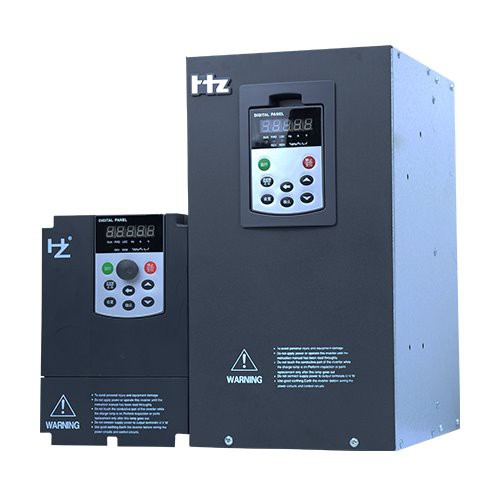
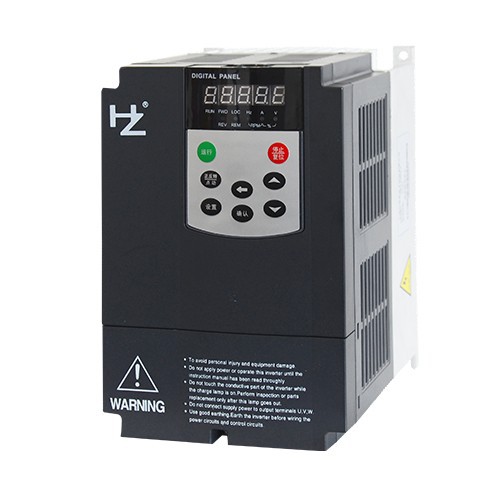
As a Brake Unit [/vfd-parts/brake-unit.html] supplier, we offer high - quality brake units that are designed to meet the specific needs of your application. Our brake units are manufactured using the latest technology and materials to ensure reliable performance and long service life.
If you are experiencing any of the signs mentioned above, it is important to contact us for a replacement brake unit. Our team of experts can help you select the right brake unit for your vehicle or machinery and provide you with installation and maintenance support.
Additional Components and Their Role
In addition to the brake unit itself, other components such as the Feedback Unit [/vfd-parts/feedback-unit.html] and LED Digital Panel [/vfd-parts/led-digital-panel-factory.html] play important roles in the overall performance of the braking system.
The Feedback Unit provides crucial information about the status of the brake system, allowing for precise control and monitoring. It helps in detecting any abnormalities in the braking process and can trigger appropriate responses to ensure safety.
The LED Digital Panel offers a visual display of important parameters related to the brake system, such as temperature, pressure, and braking force. This real - time information enables operators to make informed decisions and take necessary actions to maintain the optimal performance of the brake system.
Contact Us for Procurement
If you suspect that your brake unit is worn out or if you are in need of a new brake unit for your industrial equipment or vehicle, we encourage you to reach out to us. Our experienced sales team is ready to assist you with all your brake unit procurement needs. We offer competitive prices, fast delivery, and excellent customer service. Whether you are looking for a standard brake unit or a customized solution, we have the expertise and resources to meet your requirements.
References
- "Automotive Brake Systems" by John H. Gillespie
- "Industrial Brake Technology" by Brake Manufacturers' Council