

In the dynamic world of display technology, LCD panels have become an integral part of our daily lives, spanning from the small screens on our smartphones to the large monitors in professional workstations. As an LCD Panel supplier, I often encounter customers who are confused about the differences between consumer - grade and professional - grade LCD panels. In this blog, I will delve into the key disparities between these two types of panels, helping you make an informed decision when it comes to your display needs.
1. Image Quality
One of the most significant differences between consumer - grade and professional - grade LCD panels lies in image quality. Professional - grade LCD panels are engineered to deliver superior image accuracy, color fidelity, and contrast ratios.
Color accuracy is crucial in professional settings such as graphic design, photography, and video editing. Professional - grade panels typically support a wider color gamut, such as Adobe RGB or DCI - P3, which allows for more accurate and vibrant color reproduction. For example, a professional photographer needs to see the exact colors of a photo on the screen to make precise adjustments. A consumer - grade panel, on the other hand, may only cover the sRGB color gamut, which is more suitable for general web browsing and multimedia consumption.
Contrast ratio is another important factor. Professional - grade LCD panels often have higher contrast ratios, which means they can display deeper blacks and brighter whites. This results in more detailed and realistic images. In a movie - making studio, a high - contrast panel can help the director and editor see the nuances in the dark and bright areas of a scene, enhancing the overall visual experience. Consumer - grade panels usually have lower contrast ratios, which may lead to washed - out blacks and less vivid colors in some cases.
2. Resolution and Pixel Density
Resolution is a measure of the number of pixels on a display. Professional - grade LCD panels typically offer higher resolutions, such as 4K (3840 x 2160 pixels) or even 8K (7680 x 4320 pixels). Higher resolutions provide more detailed and sharp images, which is essential for tasks like video editing, CAD design, and scientific research. For instance, in a medical imaging laboratory, a high - resolution panel can help doctors detect subtle details in X - rays and MRIs.
Pixel density, measured in pixels per inch (PPI), also plays a role. Professional - grade panels often have a higher PPI, which means the pixels are closer together, resulting in a smoother and more refined image. A consumer - grade panel may have a lower PPI, and at close viewing distances, the individual pixels may be visible, causing a less - sharp appearance.
3. Viewing Angle
Viewing angle is an important consideration, especially in professional environments where multiple people may need to view the screen from different positions. Professional - grade LCD panels generally have wider viewing angles, both horizontally and vertically. This means that the image quality remains consistent even when viewed from the side or from an angle. In a conference room, a wide - viewing - angle panel ensures that everyone can see the presentation clearly, regardless of their seating position.
Consumer - grade panels usually have more limited viewing angles. When viewed from the side, the colors may shift, and the contrast may decrease, resulting in a less - satisfactory viewing experience.
4. Durability and Reliability
Professional - grade LCD panels are built to last. They are designed to withstand long - hours of continuous use, making them suitable for 24/7 operation in professional settings such as control rooms and data centers. These panels often use high - quality components and undergo rigorous testing to ensure reliability. For example, in a stock trading floor, where traders need to monitor the market continuously, a reliable panel is essential to avoid any disruptions.
Consumer - grade panels are typically designed for more casual use, such as home entertainment and occasional office work. They may not be able to handle the same level of continuous operation as professional - grade panels and may have a shorter lifespan.
5. Response Time
Response time refers to the time it takes for a pixel to change from one color to another. In professional applications such as gaming and video editing, a fast response time is crucial to avoid motion blur. Professional - grade LCD panels usually have shorter response times, which means they can display fast - moving images smoothly. In a competitive gaming tournament, a panel with a fast response time can give the player an edge by reducing blurring during quick - action scenes.
Consumer - grade panels may have slower response times, which can result in some motion blur, especially when watching fast - paced videos or playing games.
6. Cost
As you might expect, professional - grade LCD panels are generally more expensive than consumer - grade panels. The higher cost is due to the advanced technology, superior components, and rigorous quality control that go into making professional - grade panels. However, for professionals who rely on accurate and high - quality displays for their work, the investment in a professional - grade panel is often worth it.
Consumer - grade panels are more affordable, making them a popular choice for home users and budget - conscious consumers. They offer a good balance between price and performance for everyday use.
7. Features and Functionality
Professional - grade LCD panels often come with additional features and functionality. For example, they may have built - in color calibration tools, which allow users to adjust the color settings to achieve accurate color reproduction. Some professional panels also support multiple input sources, such as DisplayPort, HDMI, and USB - C, making it easy to connect to different devices.
Consumer - grade panels usually have fewer features. They may have basic color adjustment options, but they may not offer the same level of precision as professional - grade panels.
Conclusion
In conclusion, the differences between consumer - grade and professional - grade LCD panels are significant. Professional - grade panels offer superior image quality, higher resolutions, wider viewing angles, greater durability, faster response times, and additional features. However, they come at a higher cost. Consumer - grade panels, on the other hand, are more affordable and suitable for general use.

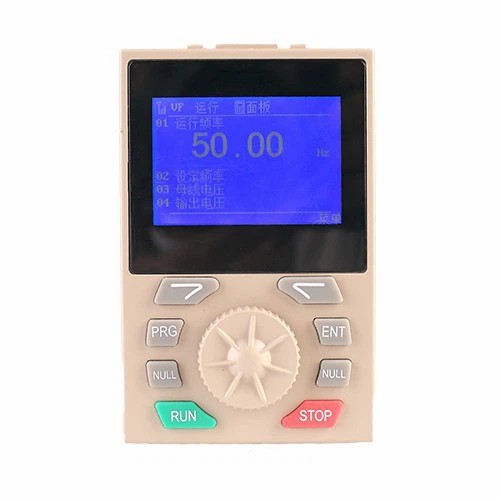
As an LCD Panel supplier, I understand that choosing the right panel depends on your specific needs and budget. If you are a professional who requires high - quality displays for your work, a professional - grade panel is the way to go. If you are a home user looking for an affordable display for everyday use, a consumer - grade panel will likely meet your requirements.
If you are interested in purchasing LCD panels, whether consumer - grade or professional - grade, I encourage you to contact me for a detailed consultation and procurement negotiation. We offer a wide range of LCD Panel options to suit your needs. Additionally, we also supply LED Digital Panel and Brake Unit products for various industrial applications. Let's work together to find the perfect display solution for you.
References
- "Fundamentals of Display Technology" by John M. Warp.
- "The Handbook of Visual Display Technology" edited by Christopher A. Evans.
- Industry reports from DisplaySearch and IHS Markit.