

Harmonic distortion is a critical aspect to understand when dealing with Fan Pump Variable Frequency Drives (VFDs). As a dedicated supplier of Fan Pump VFDs, I've witnessed firsthand the impact of harmonic distortion on the performance and longevity of these essential devices. In this blog, I'll delve into what harmonic distortion is, its implications for Fan Pump VFDs, and how we can mitigate its effects.
Understanding Harmonic Distortion
To begin, let's define harmonic distortion. In an ideal electrical system, the voltage and current waveforms are pure sine waves. However, in real - world scenarios, especially in systems with non - linear loads like VFDs, the waveforms deviate from the pure sine shape. Harmonics are frequencies that are integer multiples of the fundamental frequency (e.g., in a 50 - Hz power system, the 2nd harmonic is 100 Hz, the 3rd is 150 Hz, and so on).
Harmonic distortion occurs when these harmonic frequencies are present in the electrical system, causing the current and voltage waveforms to become distorted. It is typically measured as a percentage of the total harmonic distortion (THD). THD is a numerical value that represents the ratio of the sum of the powers of all harmonic components to the power of the fundamental component.
Why Harmonic Distortion Matters in Fan Pump VFDs
Impact on Equipment Performance
For Fan Pump VFDs, harmonic distortion can have several detrimental effects on performance. The distorted current and voltage waveforms can cause the motor to operate less efficiently. This inefficiency translates into increased energy consumption, as the motor has to work harder to achieve the same level of output. In addition, the presence of harmonics can lead to increased heating in the motor windings and other components of the VFD. Over time, this excessive heat can degrade the insulation materials, reducing the lifespan of the equipment and increasing the likelihood of premature failure.
Compatibility with Other Electrical Equipment
Harmonic distortion generated by Fan Pump VFDs can also cause problems for other electrical equipment connected to the same power system. The distorted waveforms can interfere with the normal operation of sensitive electronic devices, such as computers, communication equipment, and control systems. This interference can result in malfunctions, data errors, and even damage to these devices.
Power Quality and Utility Requirements
Many utility companies have strict regulations regarding the level of harmonic distortion that customers are allowed to inject into the power grid. High levels of harmonic distortion from Fan Pump VFDs can violate these regulations, leading to penalties for the end - user. Moreover, poor power quality due to harmonics can cause problems for the utility company itself, such as increased losses in the transmission and distribution system.

Sources of Harmonic Distortion in Fan Pump VFDs
Non - Linear Load Characteristics
The primary source of harmonic distortion in Fan Pump VFDs is their non - linear load characteristics. VFDs typically use power electronic devices, such as diodes, thyristors, and insulated - gate bipolar transistors (IGBTs), to convert the incoming AC power to DC power and then back to variable - frequency AC power. These power electronic devices are non - linear, meaning that the relationship between the voltage and current is not proportional. As a result, they generate harmonics when they switch on and off.
Pulse Width Modulation (PWM)
Another source of harmonic distortion is the Pulse Width Modulation (PWM) technique used in VFDs. PWM is a common method for controlling the output voltage and frequency of the VFD. By rapidly switching the power electronic devices on and off, PWM can create a variable - frequency output. However, the high - frequency switching of PWM also generates harmonics, which can contribute to the overall harmonic distortion of the system.
Mitigating Harmonic Distortion in Fan Pump VFDs
Passive Filters
One of the most common methods for mitigating harmonic distortion is the use of passive filters. Passive filters are electrical circuits that consist of inductors, capacitors, and resistors. They are designed to block or attenuate specific harmonic frequencies while allowing the fundamental frequency to pass through. There are different types of passive filters, such as single - tuned filters, high - pass filters, and band - pass filters, each with its own advantages and disadvantages.
Active Filters
Active filters are another option for reducing harmonic distortion. Unlike passive filters, active filters use power electronic devices to generate a compensating current that is equal in magnitude but opposite in phase to the harmonic current. This compensating current cancels out the harmonic current, effectively reducing the overall harmonic distortion of the system. Active filters are more expensive than passive filters but offer better performance and greater flexibility.
Multi - Pulse VFDs
Multi - pulse VFDs are designed to reduce harmonic distortion by increasing the number of pulses in the rectifier section of the VFD. A standard 6 - pulse VFD generates a relatively high level of harmonic distortion. In contrast, 12 - pulse, 18 - pulse, or even 24 - pulse VFDs can significantly reduce the harmonic content of the input current. These multi - pulse VFDs use additional transformers and rectifier circuits to create a more sinusoidal current waveform.
Our Solutions as a Fan Pump VFD Supplier
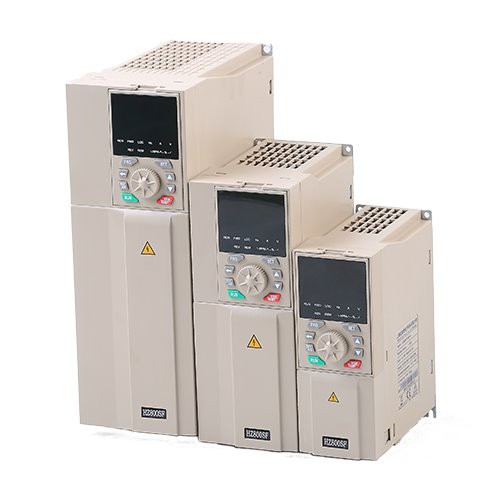
As a supplier of Fan Pump VFDs, we offer a range of products and solutions to address the issue of harmonic distortion. Our 15KW VFD is designed with advanced power electronics technology to minimize harmonic generation. It incorporates features such as high - quality input filters and optimized PWM algorithms to reduce the level of harmonic distortion.
In addition, we provide Frequency Drive Controller solutions that are specifically engineered to work in harmony with our VFDs. These controllers can be programmed to adjust the operation of the VFD based on the detected level of harmonic distortion, ensuring optimal performance and compliance with power quality standards.
For customers who require VFDs for outdoor applications, our Outdoor VFD is built to withstand harsh environmental conditions while maintaining low levels of harmonic distortion. It is equipped with robust enclosures and advanced cooling systems to prevent overheating and ensure reliable operation.
Conclusion
Harmonic distortion is a complex but important issue in the world of Fan Pump VFDs. Understanding its causes, effects, and mitigation strategies is crucial for ensuring the efficient and reliable operation of these devices. As a supplier, we are committed to providing our customers with high - quality Fan Pump VFDs that minimize harmonic distortion and meet the strictest power quality requirements.
If you are interested in learning more about our Fan Pump VFDs or have any questions regarding harmonic distortion, please don't hesitate to contact us. We look forward to discussing your specific needs and providing you with the best solutions for your applications.
References
- Brown, H. E., & Holmes, D. G. (2002). Power Quality Enhancement Using Custom Power Devices. Wiley - IEEE Press.
- Mohan, N., Undeland, T. M., & Robbins, W. P. (2012). Power Electronics: Converters, Applications, and Design. Wiley.
- IEEE Standard 519 - 2014, IEEE Recommended Practices and Requirements for Harmonic Control in Electrical Power Systems.