


Zhejiang Hertz Electric Co., Ltd., founded in 2014, is high-tech enterprise specializing in the development, manufacture, sales, and after-sales service, serving medium and high-end equipment manufacturers and industrial automation system integrators. Relying on high-quality production equipment and rigorous testing process, we will provide customers with products such as low-voltage and medium voltage inverters, soft starters and servo control systems and solutions in related industries.
Why Choose Us
Professional team
Our team of experts has many years of experience in the industry, and we provide our customers with the necessary support and advice.
High-quality products
Our products are manufactured to the highest standards using only the best materials. We ensure that our products are reliable, safe and long-lasting.
24H online service
The 400 hotline is open 24 hours a day. Fax, email, QQ, and telephone are all-round and multi-channel to accept customer problems. Technical personnel are 24 hours a day to answer customer problems.
One-stop solution
Provide technical support in the whole process of inspection, installation, commissioning, acceptance, performance acceptance test, operation, maintenance and other corresponding technical guidance and technical training related to contract products in a timely manner.

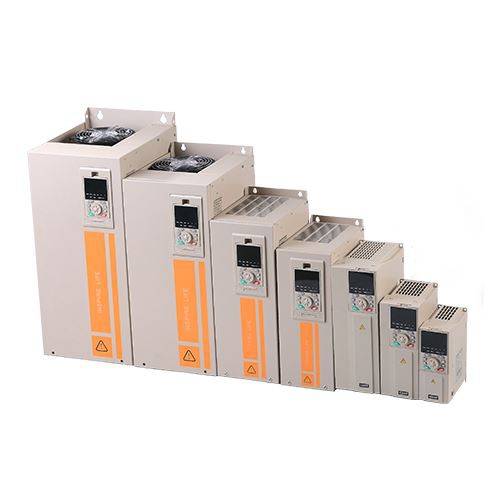
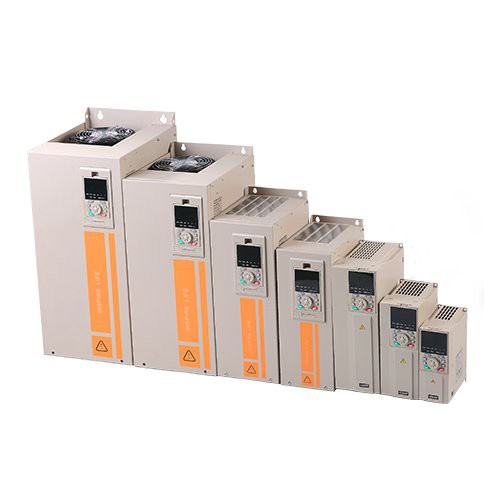

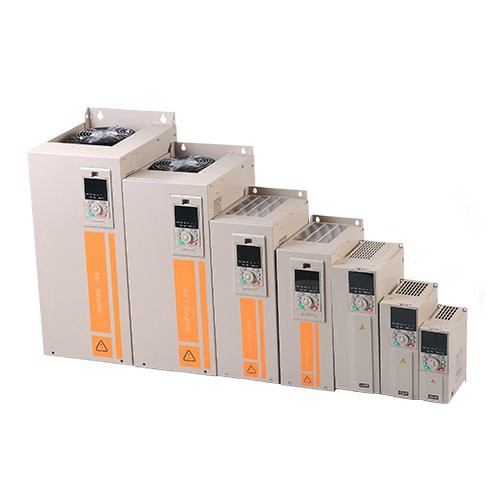
What Is Outdoor VFD?
Outdoor VFD or variable frequency drives are specifically designed to operate in the harsh environmental conditions typically found outside buildings or in unprotected indoor areas. These conditions may include exposure to direct sunlight, extreme temperatures, humidity, precipitation, dust, and corrosive elements.
Outdoor VFD are designed to maintain consistent performance and reliability under conditions that may affect standard VFD operation. They are widely used in water pumping stations, HVAC systems, wind turbines, crane systems and any other industrial process requiring variable speed control in outdoor environments.
Enhanced Energy Efficiency
Among the most compelling benefits of Outdoor VFD is their remarkable ability to enhance energy efficiency, which, in turn, trims down energy expenses. Motors typically constitute a substantial portion of energy consumption, particularly within industrial setups. Outdoor VFD come to the rescue by skillfully governing motor speed, particularly when the motor doesn't require full-throttle power or a consistent pace. The energy savings are impressive, given the non-linear relationship between motor speed and energy consumption.
Controlled Starting Current
Outdoor VFD offer another feather in their cap by effectively managing the startup current. They possess the capability to initiate motors at zero voltage and frequency, which not only minimizes the wear and tear on motors but also extends their operational lifespan, reducing the need for frequent maintenance and repair.
Equipment Safeguard
Another remarkable aspect of Outdoor VFD is their capacity to tailor and limit torque, ensuring that motors do not venture beyond their safe torque limits. This proactive measure shields machinery and equipment, preempting damage and averting potential production disruptions.
Voltage Sag Mitigation
Voltage sags, characterized by transient voltage drops, frequently plague industrial settings, often occurring during the activation of sizable AC motor lines. These sags can be detrimental to delicate equipment like computers and sensors. Outdoor VFD circumvent this issue by starting the motor at zero voltage and gradually increasing it from there.
Longer motor life
A motor that always works at peak capacity when it's running will wear down much quicker than a motor that frequently works at a lower capacity. You can expect a VFD to help motors last longer and save you money on repairs as well as having to replace the motor early.
Noise Reduction
While not their primary purpose, Outdoor VFD do the service of reducing ambient noise levels by operating motors at lower speeds. This feature is particularly advantageous in industrial environments where lowered ambient noise levels contribute to improved working conditions and smoother communication on the factory floor. This small but significant improvement creates a more conducive work environment.
Types of Outdoor VFD
Outdoor variable frequency drives (VFD) come in various types to suit different applications and environmental conditions. While the fundamental purpose of a VFD is to control the speed of an electric motor by varying the frequency and voltage of the electrical power supplied, the types of outdoor VFDs differ primarily based on their enclosure design, power capacity, and additional features. Here are some common types of outdoor VFD.
Enclosed VFD
These VFD are fully enclosed in protective casings that can withstand exposure to the elements. They are suitable for applications with moderate to severe weather conditions.
Stainless steel enclosures
For highly corrosive environments, VFD with stainless steel enclosures provide excellent resistance to rust and corrosion, ensuring longevity and reliability in challenging conditions.
Panel-mounted VFD
These VFD are designed to be mounted onto a panel or bulkhead and are commonly used in applications where space is at a premium, or the VFD needs to be integrated into a larger control system.
Skid-mounted VFD
Skid-mounted VFD come pre-installed on a base frame (skid), making them easy to transport and install. They are often used in temporary installations or where quick deployment is necessary.
Solar-powered VFD
Specifically designed for use with solar panels, these VFD are suitable for off-grid applications or remote locations where access to the main power grid is limited or expensive.
Material of Outdoor VFD


Outdoor variable frequency drives (VFD) are engineered to withstand the rigors of outdoor environments, which means the materials used in their construction must be resistant to a wide range of conditions including extreme temperatures, humidity, UV radiation, and potential exposure to corrosive substances. The choice of materials is critical to ensure durability, reliability, and safety. The following is a description of the materials used in the construction of outdoor frequency converters.
Metal Enclosures
Stainless SteelHighly resistant to corrosion, particularly suitable for maritime and coastal environments where salt air and moisture are prevalent. Stainless steel enclosures are also used in food processing and pharmaceutical industries due to their hygienic properties.
AluminumOften used due to its lightweight characteristics and good resistance to corrosion. Aluminum enclosures are coated with protective finishes to enhance their durability in outdoor conditions.
Galvanized SteelSteel coated with zinc to prevent rusting, offering a cost-effective solution for environments where corrosion is a concern.
Plastic Enclosures
PolycarbonateA strong and impact-resistant plastic that provides good protection against UV radiation and can be molded into various shapes. Polycarbonate enclosures are lighter than metal and have insulating properties.
ABS PlasticAcrylonitrile butadiene styrene is a common thermoplastic used in enclosures. It has good mechanical strength, is resistant to chemicals and impacts, and can be easily machined or molded.
Protective Coatings
Powder CoatingA protective finish applied electrostatically and then cured under heat, resulting in a hard, durable finish that resists chipping, fading, and corrosion.
Epoxy PaintOffers excellent adhesion and chemical resistance, protecting metal surfaces from corrosion and environmental damage.
Seals and Gaskets
Silicone RubberDue to its excellent temperature resistance, weather resistance and chemical resistance, silicone rubber is often used in VFD seals and gaskets to ensure the sealing of equipment in harsh environments.
EPDM RubberEthylene Propylene Diene Monomer rubber has good weather resistance and heat resistance and is suitable for outdoor VFD sealing applications.
Cooling systems
Fans and Heat SinksTypically made from aluminum alloys to dissipate heat efficiently while maintaining structural integrity.
Outdoor Variable Frequency Drives (VFDs) find practical application in various scenarios where robust performance and protection against environmental elements are crucial. Let's explore their uses.
Water and wastewater plants
In water and wastewater treatment facilities, outdoor VFDs are commonly employed. They help regulate pump speeds, optimize energy consumption, and maintain accurate flow rates. These applications align with industry guidelines and energy-saving initiatives.
Agriculture
Outdoor VFDs play a vital role in agricultural settings. They control irrigation pumps, ensuring efficient water distribution across fields. These drives withstand dust, occasional splashes, and harsh outdoor conditions.
Mining and rock crushing
VFDs are essential in mining operations. They regulate conveyor belts, crushers, and other machinery. The rugged design of outdoor-rated VFDs allows them to withstand impacts and environmental challenges.
Refineries and industrial plants
Refineries and industrial facilities often require VFDs for process control. Outdoor-rated drives can handle dusty environments, minor impacts, and exposure to water.
Pressure booster pumps
Commercial or large buildings like hotels require sufficient high water pressure to reach all units, including bathrooms and showers, using a pressure booster pump. Outdoor VFDs can be a better alternative to pressure control valves since they have better energy savings and eliminates maintenance costs.
HVAC systems
Outdoor VFDs have been used in HVAC systems for decades. Traditionally they have been used for capacity modulation, but in recent years they have also been used for fan and pump balancing, equipment monitoring, and cutting equipment energy usage at peak load conditions. Outdoor VFD can help reduce the wearing of components of HVAC systems, as they require less energy to start a motor, thus reducing the components stress.
Why Do I Need a Outdoor VFD?
A variable frequency drive (Outdoor VFD) is used to control the speed of the slurry pump by adjusting the frequency of the electrical power supplied to the motor that drives the pump. This allows the operator to adjust the flow rate of the slurry being pumped, which can be useful in a variety of applications.
A slurry is a mixture of liquids and solids, and the viscosity and density of the mixture can vary depending on the specific application. In order to maintain a consistent flow rate and prevent damage to the pump, it is often necessary to adjust the speed of the pump.
A Outdoor VFD allows the operator to adjust the speed of the pump in real-time, which can help to optimize the performance of the pump, reduce energy consumption, and prolong the life of the pump. Additionally, Outdoor VFDs can help to reduce the amount of wear and tear on the mechanical components of the pump, which can help to reduce maintenance costs and downtime.
Outdoor VFD components and function
Converter
The converter, or AC input rectifier, help convert the AC voltage to a DC voltage. The converter is made up of multiple diodes that are connected parallel to each other and only allow the current to travel in one direction. The electricity that is flowing through the converter is cycled through until it is transformed into a rough DC voltage.
DC Link is a filtering section made up of filter inductors and capacitors. The purpose of DC Link is to smoothen the rippled DC voltage obtained out of the rectifier circuit in the previous step. The filtered output is then fed to the input of the inverter.
Inverter
The purpose of the Inverter is to convert the output of the DC link, which is the filtered DC voltage, back into AC. The Inverter is used to control the variable voltage, variable frequency output to the motor. The Inverter is composed of IGBT switches that are connected in pairs to control the electrical flow. This is usually connected to a logic controller that allows an operator to interface and adjust the voltage of the motor. By controlling the path of electric flow with pulse-width modulation, AC voltage can be produced from the DC source.
User interface
To achieve optimal power usage or save energy, a user interface is needed to configure the Outdoor VFD. A User interface is a control panel that is connected the Outdoor VFD, allowing for manual user input. These range from a keypad to LCD touch screens.
Control logic
The user defined setting is then interpreted by the Control logic. It is the software needed for the Outdoor Outdoor VFDto communicate with the user interface and the feedback device on the motor. The software is usually based on a state diagram, which follows a set of sequences before completing a task from start to stop.
Three Steps to Properly Maintain a Outdoor VFD
Outdoor VFD (VFD) have quickly become very common items found in a mechanical room. By adding a few relatively easy and logical steps into your preventative maintenance programyou can help ensure your drives provide many years of trouble free service.
A VFD controls the speed, torque, and direction of an AC motor by taking fixed voltage and frequency input and converts it to a variable voltage and frequency output. The VFD's control circuitry coordinates the switching of power devices, typically through a control board that directs the firing of power components in the proper sequence. In terms I better understand, a VFD is basically a computer and a power supply. Similar to a computer and power supply, the same safety and equipment precautions apply to a VFD.
Most VFD fall into the NEMA 1 category (side vents for cooling airflow) that makes it susceptible to dust contamination. Dust on VFD can cause a lack of airflow resulting in diminished performance, malfunction, or even failure. Using compressed air to clean is a viable option; however, you must ensure the air is oil-free and dry or you may do more harm than good.
VFD falling into the NEMA 1 category should always be installed in a clean and dry area. During periodic inspection, if moisture or condensation is noticed on or around the VFD you should immediately check for environmental factors, which may be contributing to the problem. If the moisture persists, you may want consider upgrading the VFDs enclosure to NEMA 12. It doesn't take a lot of water to corrode a circuit board; if you notice any signs of corrosion during inspection it's best to consult the manufacturer or manufacturer's representative for next best steps.
This sounds basic; however, it is a commonly missed step. Heat cycles and vibrations in the mechanical room can lead to loose connections. Poor connections eventually lead to arcing which can cause over voltage faults, damage to protective components, over current faults, erratic operation, and damage to the power components.
Our Factory
Zhejiang Hertz Electric Co., Ltd., founded in 2014, is high-tech enterprise specializing in the development, manufacture, sales, and after-sales service, serving medium and high-end equipment manufacturers and industrial automation system integrators. Relying on high-quality production equipment and rigorous testing process, we will provide customers with products such as low-voltage and medium voltage inverters, soft starters and servo control systems and solutions in related industries.


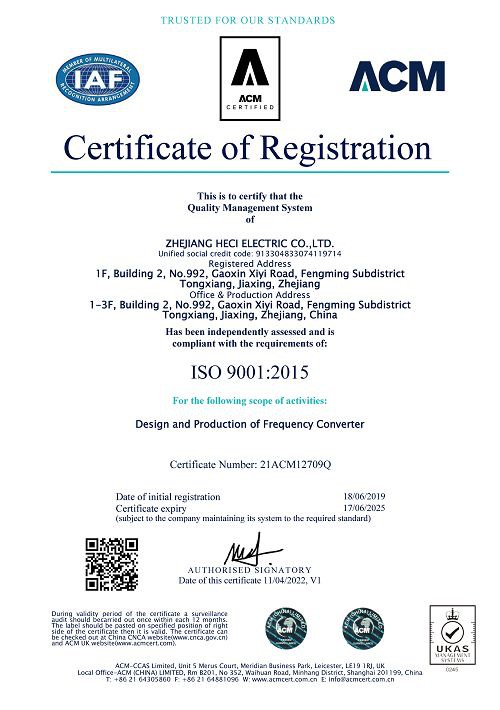
Certificate



FAQ
Q: Can VFD be installed outside?
Q: When should you not use a VFD?
Q: What are the 3 types of VFDs?
Q: Do VFDs need a contactor?
Q: Are VFDs bad for motors?
Q: Can I run a motor without a VFD?
Q: Can you run two motors off one VFD?
Q: Can you add a VFD to any motor?
Q: Can I use a big VFD on a small motor?
Q: Why does VFD explode?
Q: What happens when you overspeed a motor with a VFD?
Q: Can you drive a single phase motor from a VFD?
Q: Do you need a capacitor with a VFD?
Q: Do you need an overload relay with a VFD?
Q: Can all 3 phase motors run on a VFD?
Q: How do I know if a motor is VFD compatible?
Q: What is the cheapest alternative to VFD?
Q: Which is better VFD or VSD?
Q: Can you put a VFD on a single phase motor?
Q: Can you put a contactor after a VFD?
Hot Tags: outdoor vfd, China outdoor vfd manufacturers, suppliers, factory, VFD Compatible Motor, vfd in keyboards, Synchronous Motor Drive, 18 5KW VFD, Frequency Drive for Three Phase Motor, VFD For 120v Single Phase Motor