

As a dedicated supplier of 2.2KW Variable Frequency Drives (VFDs), I often encounter inquiries regarding the rated current of these essential devices. Understanding the rated current of a 2.2KW VFD is crucial for proper installation, operation, and safety. In this blog post, I will delve into the concept of rated current, explain how it is determined for a 2.2KW VFD, and discuss its significance in various applications.
What is Rated Current?
The rated current of a VFD refers to the maximum continuous current that the drive can handle under normal operating conditions. It is a critical parameter that determines the drive's capacity to supply power to the motor and ensure its reliable operation. The rated current is typically specified in amperes (A) and is an important consideration when selecting a VFD for a particular application.
Determining the Rated Current of a 2.2KW VFD
The rated current of a 2.2KW VFD is determined by several factors, including the power rating of the drive, the efficiency of the motor, and the operating conditions. To calculate the rated current, we can use the following formula:
[I = \frac{P}{\sqrt{3} \times V \times \cos\varphi \times \eta}]
Where:
- (I) is the rated current in amperes (A)
- (P) is the power rating of the VFD in kilowatts (KW)
- (V) is the line voltage in volts (V)
- (\cos\varphi) is the power factor of the motor
- (\eta) is the efficiency of the motor
For a 2.2KW VFD operating at a line voltage of 380V, a power factor of 0.8, and an efficiency of 0.9, the rated current can be calculated as follows:
[I = \frac{2.2 \times 1000}{\sqrt{3} \times 380 \times 0.8 \times 0.9} \approx 4.7A]
It is important to note that this is a theoretical calculation and the actual rated current may vary depending on the specific model and manufacturer of the VFD. Therefore, it is always recommended to refer to the manufacturer's specifications for the accurate rated current of a particular 2.2KW VFD.
Significance of Rated Current in VFD Applications
The rated current of a VFD plays a crucial role in ensuring the safe and efficient operation of the motor. Here are some key points to consider:
1. Motor Protection
The rated current of the VFD determines the maximum current that can be supplied to the motor. If the motor draws more current than the rated current of the VFD, it can cause overheating and damage to the drive and the motor. Therefore, it is important to select a VFD with a rated current that is sufficient to handle the motor's load.
2. System Efficiency
The rated current of the VFD also affects the overall efficiency of the system. A VFD with a higher rated current than required may result in unnecessary energy consumption, while a VFD with a lower rated current may not be able to provide enough power to the motor, leading to reduced performance. Therefore, it is important to select a VFD with a rated current that is matched to the motor's load for optimal efficiency.
3. Compatibility with Other Components
The rated current of the VFD must be compatible with other components in the system, such as the circuit breaker, contactor, and cables. If the rated current of the VFD is too high, it may require larger and more expensive components, while a VFD with a lower rated current may not be able to operate safely with the existing components. Therefore, it is important to consider the rated current of the VFD when designing the electrical system.
Other Considerations for VFD Selection
In addition to the rated current, there are several other factors to consider when selecting a 2.2KW VFD for a particular application. These include:
1. Motor Type and Size
The type and size of the motor being driven by the VFD will determine the power requirements and the control strategy needed. Different types of motors, such as induction motors, permanent magnet motors, and servo motors, have different characteristics and require different types of VFDs. Therefore, it is important to select a VFD that is compatible with the motor being used.
2. Application Requirements
The specific requirements of the application, such as the speed range, torque requirements, and control accuracy, will also influence the selection of the VFD. For example, applications that require high-speed operation or precise torque control may require a VFD with advanced features such as vector control or servo control.
3. Environmental Conditions
The environmental conditions in which the VFD will be operating, such as temperature, humidity, and dust, will also affect the selection of the VFD. VFDs are available in different enclosures and ratings to suit different environmental conditions. For example, Outdoor VFD are designed to withstand harsh outdoor environments, while VFDs for indoor use may have a lower enclosure rating.
4. Cost
The cost of the VFD is also an important consideration, especially for large-scale applications. While it is important to select a VFD that meets the requirements of the application, it is also important to consider the cost-effectiveness of the solution. Therefore, it is recommended to compare the features and prices of different VFDs before making a decision.
Conclusion
In conclusion, the rated current of a 2.2KW VFD is an important parameter that determines the drive's capacity to supply power to the motor and ensure its reliable operation. By understanding the concept of rated current and its significance in VFD applications, you can make an informed decision when selecting a VFD for your specific needs.
As a supplier of 2.2KW VFDs, we offer a wide range of products with different rated currents and features to meet the diverse needs of our customers. Whether you are looking for a basic VFD for a simple application or a high-performance Vector Control VFD for a complex industrial process, we have the solution for you.
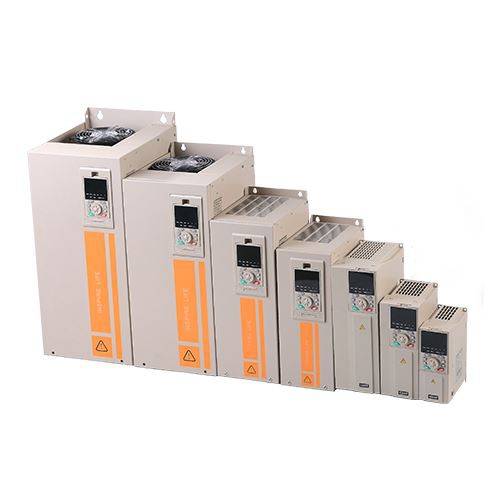

If you have any questions or need assistance in selecting the right 2.2KW VFD for your application, please feel free to contact us. We are here to help you make the best choice for your business.
References
- "Variable Frequency Drives: Principles, Operation, and Application" by Thomas G. Habetler and Ronald G. Harley
- "Electric Motor Handbook" by Arnold E. Fitzgerald, Charles Kingsley Jr., and Stephen D. Umans