

As a reputable LCD panel supplier, I often encounter various inquiries from clients regarding the technical aspects of our products. One question that frequently arises is, "What is the response time of an LCD panel?" In this blog post, I aim to provide a comprehensive answer to this question, shedding light on the significance of response time and its impact on the performance of LCD panels.
Understanding Response Time
Response time refers to the time it takes for a pixel on an LCD panel to change from one color to another. It is typically measured in milliseconds (ms) and is a crucial factor in determining the panel's ability to display fast - moving images smoothly. When an image on the screen changes rapidly, such as in action movies, video games, or sports broadcasts, a slow response time can result in motion blur, ghosting, or other visual artifacts.
To understand this better, let's consider how an LCD panel works. LCD panels consist of millions of tiny pixels, each made up of sub - pixels that can display different colors. When an electrical signal is applied to a pixel, it changes its orientation to allow or block the passage of light, thereby creating the desired color. The response time measures how quickly this change in orientation can occur.
Types of Response Time
There are two main types of response time measurements: gray - to - gray (GtG) and black - to - white (BtW).
Gray - to - Gray (GtG)
Gray - to - gray response time is the most commonly used measurement in the industry. It measures the time it takes for a pixel to transition from one shade of gray to another. This measurement is more relevant for modern applications, as most content today involves a wide range of gray tones, especially in high - dynamic - range (HDR) content. A lower GtG response time means that the panel can change colors more quickly, resulting in smoother motion and less blur.
Black - to - White (BtW)
Black - to - white response time measures the time it takes for a pixel to change from its darkest state (black) to its lightest state (white). While this measurement was more commonly used in the past, it is less relevant today, as most modern displays focus on the ability to display a wide range of intermediate colors accurately.
Importance of Response Time
The importance of response time cannot be overstated, especially for applications that involve fast - moving images. Here are some key areas where response time plays a critical role:
Gaming
In the world of gaming, every millisecond counts. Gamers need a display with a fast response time to ensure that they can react quickly to in - game events. A slow response time can cause motion blur, making it difficult to track fast - moving opponents or projectiles. This can give an unfair advantage to other players and significantly impact the gaming experience. For example, in a first - person shooter game, a split - second delay in seeing an enemy can mean the difference between victory and defeat.
Video Playback
When watching high - action movies or sports broadcasts, a fast response time is essential for a smooth viewing experience. Without it, fast - paced scenes can appear blurry or choppy, detracting from the overall enjoyment of the content. A display with a low response time can accurately reproduce the rapid changes in motion, allowing viewers to fully immerse themselves in the action.
Professional Applications
In professional fields such as graphic design, video editing, and medical imaging, accurate color reproduction and fast response times are crucial. Designers and editors need to see every detail clearly, and a slow response time can make it difficult to work with moving elements. In medical imaging, fast response times are necessary to accurately display real - time images, such as ultrasound or MRI scans.
Factors Affecting Response Time
Several factors can affect the response time of an LCD panel. These include:
Panel Technology
Different LCD panel technologies have different response times. For example, Twisted Nematic (TN) panels are known for their fast response times, typically ranging from 1 - 5 ms. In - Plane Switching (IPS) panels, on the other hand, generally have slower response times, usually in the range of 10 - 20 ms. However, IPS panels offer better color accuracy and wider viewing angles compared to TN panels.
Temperature
Temperature can also have a significant impact on response time. As the temperature decreases, the viscosity of the liquid crystal material in the panel increases, causing the pixels to respond more slowly. This is why some high - performance LCD panels are designed to operate within a specific temperature range to maintain optimal response times.
Driving Circuitry
The quality of the driving circuitry in an LCD panel can affect its response time. Advanced driving circuits can apply the electrical signals to the pixels more quickly and accurately, resulting in faster response times.
How We Ensure Fast Response Times in Our LCD Panels
As an LCD panel supplier, we are committed to providing our customers with high - quality products that offer fast response times. Here are some of the steps we take:
Advanced Panel Technology
We use the latest LCD panel technologies to ensure that our panels have the best possible response times. For applications that require extremely fast response times, such as gaming monitors, we offer TN panels. For customers who prioritize color accuracy and wide viewing angles, we provide IPS panels with improved response times through advanced engineering.
Rigorous Testing
Before our LCD panels are shipped to customers, they undergo rigorous testing to ensure that they meet our strict quality standards. We test the response times under various conditions, including different temperatures and input signals, to ensure that the panels perform consistently.
Continuous Research and Development
We invest heavily in research and development to improve the performance of our LCD panels. Our team of engineers is constantly exploring new technologies and materials to reduce response times and enhance the overall quality of our products.
Related Products and Their Impact on LCD Performance
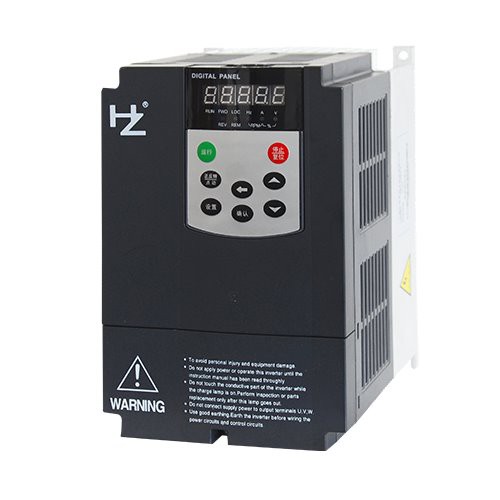
In addition to LCD panels, there are other related products that can impact the overall performance of a display system. For example, Brake Unit and Braking Resistance for VFD are important components in variable frequency drive (VFD) systems. While these products are not directly related to LCD panels, they play a crucial role in power management and can indirectly affect the performance of the display system by ensuring stable power supply.
Another related product is the Feedback Unit. Feedback units are used to provide accurate information about the system's performance, which can be used to optimize the operation of the display system. By ensuring that the system is operating at its best, these components can contribute to a better overall user experience.
Conclusion
In conclusion, the response time of an LCD panel is a critical factor that affects its performance, especially in applications involving fast - moving images. As an LCD panel supplier, we understand the importance of providing our customers with panels that offer fast response times. By using advanced panel technologies, rigorous testing, and continuous research and development, we are able to offer high - quality LCD panels that meet the diverse needs of our customers.
If you are interested in purchasing our LCD panels or have any questions regarding response time or other technical aspects of our products, we encourage you to contact us for a detailed discussion. Our team of experts is ready to assist you in finding the best solution for your specific requirements.
References
- "Fundamentals of Liquid Crystal Displays" by Shin - Tson Wu and Dai - Zhang Yang
- "Display Technology Handbook" edited by F. Stephen Henley