

When it comes to the oil and gas industry, the use of an Outdoor Variable Frequency Drive (VFD) is crucial for efficient operation and control of various equipment. As a trusted Outdoor VFD supplier, we understand the unique safety and performance requirements that these drives must meet in this challenging environment.
Safety Requirements
Hazardous Location Classification
The oil and gas industry often involves operations in hazardous locations where there is a risk of explosion due to the presence of flammable gases, vapors, or dust. Outdoor VFDs used in these areas must be designed and certified to meet the specific hazardous location classification requirements. For example, in North America, the National Electrical Code (NEC) classifies hazardous locations into Classes, Divisions, and Groups based on the type of flammable material present and the likelihood of its presence.
VFDs for Class I, Division 1 locations, where flammable gases or vapors are likely to be present under normal operating conditions, must be explosion-proof. This means that the enclosure is designed to contain an internal explosion without allowing it to propagate to the surrounding atmosphere. In Class I, Division 2 locations, where flammable gases or vapors are not likely to be present under normal operating conditions but may occur under abnormal conditions, the VFDs may be designed to meet less stringent requirements, such as being dust-ignition proof or having non-incendive circuits.
Environmental Protection
Outdoor VFDs in the oil and gas industry are exposed to a wide range of environmental conditions, including extreme temperatures, humidity, dust, and corrosive substances. To ensure reliable operation, the VFDs must have adequate environmental protection.
The enclosure of the VFD should have a high Ingress Protection (IP) rating. For example, an IP65 rating means that the enclosure is dust-tight and protected against low-pressure water jets from all directions. This helps to prevent the ingress of dust and water, which could damage the internal components of the VFD.
In addition to dust and water protection, the VFD should also be resistant to corrosion. In oil and gas fields, the equipment may be exposed to corrosive substances such as saltwater, hydrogen sulfide, and other chemicals. Using corrosion-resistant materials for the enclosure and internal components can significantly extend the lifespan of the VFD.
Electrical Safety
Electrical safety is of utmost importance when using VFDs in the oil and gas industry. The VFDs should be equipped with proper grounding and protection devices to prevent electrical shock and short circuits.
Grounding is essential to provide a low-resistance path for electrical current in the event of a fault. The VFD should have a dedicated grounding terminal, and the grounding conductor should be of an appropriate size to handle the fault current.
Overcurrent protection devices, such as fuses or circuit breakers, should be installed to protect the VFD and the connected equipment from excessive current. These devices should be selected and sized based on the rated current of the VFD and the load requirements.
Performance Requirements
Power and Torque Control
In the oil and gas industry, many applications require precise control of power and torque. For example, in oil pumps, the VFD needs to be able to adjust the speed of the motor to control the flow rate of the oil. This requires the VFD to have a high level of accuracy and stability in power and torque control.
The VFD should be able to provide a wide range of speed control, from low speeds for starting and low-flow operations to high speeds for maximum flow. It should also be able to maintain a constant torque output over the entire speed range to ensure efficient operation of the equipment.
Efficiency
Energy efficiency is a significant concern in the oil and gas industry, as it can result in substantial cost savings. Outdoor VFDs should be designed to operate with high efficiency to reduce energy consumption.
Modern VFDs use advanced power electronics technology, such as Insulated Gate Bipolar Transistors (IGBTs), to achieve high efficiency. These devices have low switching losses and can convert electrical energy more efficiently from the input to the output.
In addition to the use of efficient power electronics, the VFD should also be able to optimize the motor's operation based on the load requirements. For example, it can adjust the motor's speed and voltage to match the actual load, reducing the energy wasted in the motor.
Reliability and Durability
The oil and gas industry operates in harsh environments, and the equipment needs to be reliable and durable. Outdoor VFDs should be designed to withstand the mechanical and electrical stresses associated with continuous operation in these conditions.
The VFD should have a high-quality capacitor bank to provide stable DC bus voltage. Capacitors are one of the most critical components in a VFD, and their failure can lead to the malfunction of the entire drive. Using high-quality capacitors with a long lifespan can improve the reliability of the VFD.
The VFD should also have a robust cooling system to dissipate the heat generated during operation. In outdoor applications, the cooling system may need to be designed to withstand high temperatures and dust. For example, some VFDs use forced-air cooling with dust filters to prevent the accumulation of dust on the cooling fins.

Our Product Offerings
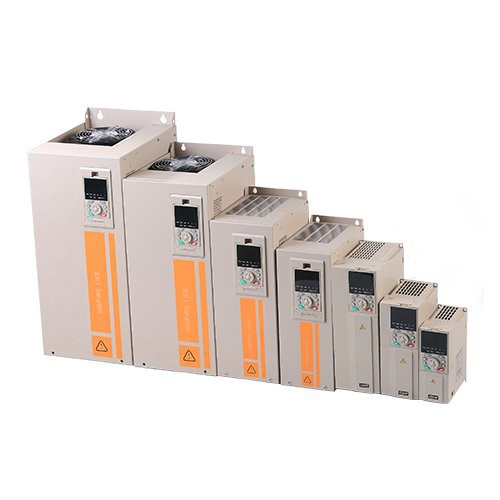
As an Outdoor VFD supplier, we offer a wide range of products to meet the diverse needs of the oil and gas industry. Our 3.7KW VFD is suitable for small-scale applications, such as controlling the speed of small pumps or fans. It is designed with high efficiency and reliability in mind, and it meets the necessary safety requirements for use in outdoor environments.
For medium - sized applications, our 30KW VFD provides a good balance between power and performance. It offers precise speed and torque control, making it ideal for various oil and gas equipment, such as compressors and blowers.
If you need a higher - power solution, our 45KW VFD is the right choice. It is capable of handling heavy loads and provides excellent performance in challenging outdoor conditions.
Conclusion
Using an Outdoor VFD in the oil and gas industry requires meeting strict safety and performance requirements. Safety requirements include compliance with hazardous location classifications, environmental protection, and electrical safety. Performance requirements focus on power and torque control, efficiency, reliability, and durability.
As a reliable Outdoor VFD supplier, we are committed to providing high - quality products that meet these requirements. If you are in the oil and gas industry and are interested in our Outdoor VFDs, we invite you to contact us for a detailed discussion about your specific needs and to start a procurement negotiation. We have the expertise and experience to offer you the best solutions for your applications.
References
- National Electrical Code (NEC), NFPA 70.
- International Electrotechnical Commission (IEC) standards related to VFDs and hazardous locations.
- Manufacturers' technical documents and datasheets for reference on VFD performance and safety features.