

Hey there! I'm a supplier of 660V - 690V Variable Frequency Drives (VFDs), and I often get asked if our VFDs can be used in a cement plant. Well, let's dig into this topic and find out.
First off, let's understand what a cement plant is all about. Cement plants are complex industrial facilities where raw materials like limestone, clay, and shale are crushed, ground, and heated to produce cement. There are numerous motors in a cement plant, powering everything from crushers and mills to conveyors and fans. These motors need to be controlled precisely to ensure efficient operation, reduce energy consumption, and maintain product quality.
Now, let's talk about our 660V - 690V VFDs. VFDs are essentially devices that control the speed of an electric motor by varying the frequency and voltage supplied to it. Our 660V - 690V VFDs are designed to handle high - power applications, which is exactly what you'd find in a cement plant.
One of the main advantages of using our VFDs in a cement plant is energy savings. Motors in a cement plant often operate at full speed even when they don't need to. By using a VFD, you can adjust the motor speed according to the actual load requirements. For example, a conveyor belt may not need to run at full speed all the time. With a VFD, you can slow it down when there's less material to transport, which in turn reduces energy consumption. Studies have shown that using VFDs can lead to energy savings of up to 30% in some industrial applications, and I believe cement plants can achieve similar results.
Another benefit is improved process control. In a cement plant, the quality of the final product depends on precise control of various processes. For instance, the grinding process in a cement mill needs to be carefully regulated to ensure the right particle size of the cement. Our VFDs can provide accurate speed control, allowing for better control of these processes. This means you can produce a more consistent and higher - quality cement product.
When it comes to the harsh environment in a cement plant, our 660V - 690V VFDs are up for the challenge. Cement plants are known for their dusty and dirty conditions, as well as high temperatures. Our VFDs are built with robust enclosures and advanced cooling systems to withstand these tough conditions. They are also designed to be resistant to electrical interference, which is common in industrial settings.
Let's take a look at some of the specific applications in a cement plant where our VFDs can be used.
Crushers
Crushers are used to break down large chunks of raw materials into smaller pieces. These motors often need to start and stop frequently. Our VFDs can provide soft - start and soft - stop functionality, which reduces the mechanical stress on the crusher motor and its components. This extends the lifespan of the equipment and reduces maintenance costs. For example, a 2.2KW VFD could be used for smaller crushers or auxiliary equipment.
Mills
Cement mills are used to grind the clinker into fine powder. The grinding process requires a large amount of power, and precise speed control is crucial. Our VFDs can adjust the speed of the mill motor to optimize the grinding process, ensuring the right particle size distribution of the cement. This not only improves the quality of the cement but also reduces wear and tear on the mill liners and grinding media.
Conveyors
As I mentioned earlier, conveyors are used to transport materials throughout the cement plant. Our VFDs can control the speed of the conveyor motors, allowing for smooth and efficient material handling. Whether it's a short - distance conveyor or a long - distance one, our VFDs can be customized to meet the specific requirements.
Fans
Fans are used for ventilation and combustion air supply in a cement plant. The airflow needs to be adjusted according to the process requirements. Our VFDs can vary the fan speed to provide the right amount of air, which is essential for efficient operation and environmental control.

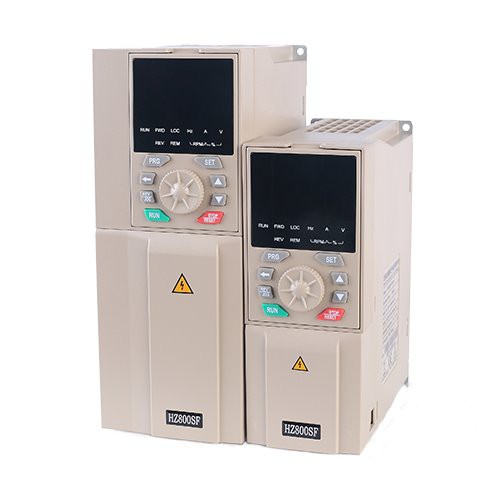
Now, you might be wondering about the compatibility of our VFDs with the existing electrical systems in a cement plant. Our 660V - 690V VFDs are designed to be compatible with most industrial electrical systems. They can be easily integrated into new or existing cement plant setups. If you have a single - phase motor in your cement plant, we also have solutions like VFD For 120v Single Phase Motor and Variable Speed Drive For Single Phase Motor that can work well in certain applications.
However, like any technology, there are a few things to consider when using VFDs in a cement plant. Proper installation and commissioning are crucial. It's important to have a professional electrician or technician install the VFDs to ensure they are set up correctly. Also, regular maintenance is required to keep the VFDs in good working condition. But don't worry, our team can provide you with all the support you need, from installation guidance to maintenance tips.
In conclusion, I firmly believe that our 660V - 690V VFDs are a great fit for cement plants. They offer energy savings, improved process control, and can withstand the harsh environment. If you're a cement plant operator or involved in the cement industry, I encourage you to consider using our VFDs in your facility. You'll not only save on energy costs but also improve the overall efficiency and quality of your operations.
If you're interested in learning more about our 660V - 690V VFDs or have any questions about how they can be used in your cement plant, don't hesitate to reach out. We're here to help you make the best decision for your business.
References
- "Energy - Efficient Motor Systems: A Guide to Energy - Saving Opportunities in Industry" by International Energy Agency.
- "Industrial Drives and Electric Vehicles" by Bimal K. Bose.