

Hey there! As a supplier of Feedback Units, I'm super stoked to break down how these nifty devices work in a hierarchical control system. It's like pulling back the curtain on a well - oiled machine, and I'm here to make it as easy to understand as possible.
Let's start with the basics. A hierarchical control system is kind of like a company's organizational chart. You've got different levels of management, each with its own set of responsibilities. At the top, you have the high - level decision - makers. They set the overall goals and strategies. As you move down the levels, the tasks get more and more specific.
Now, where does the Feedback Unit fit into this picture? Well, think of it as the eyes and ears of the system. It constantly monitors what's going on and sends that info back up the chain. This way, the higher - level controllers can make informed decisions.
Let's dig a bit deeper. In a typical hierarchical control system, there are usually three main levels: the strategic level, the tactical level, and the operational level.
The strategic level is like the CEO of the system. It decides on the long - term goals. For example, in a manufacturing plant, it might set the target production volume for a month. But it can't just set the goal and forget about it. That's where the Feedback Unit comes in. The unit keeps track of how close the actual production is to the target. If there's a big gap, it sends a signal back to the strategic level. Then, the strategic level can adjust its plans accordingly.
Moving on to the tactical level. This is like the middle management. It takes the goals from the strategic level and breaks them down into smaller, more manageable tasks. For instance, if the strategic level says we need to produce 1000 units in a month, the tactical level might decide to produce 50 units a day. The Feedback Unit here monitors things like the efficiency of the production process. If a machine is running slower than expected, the unit will detect it and send feedback. This allows the tactical level to make real - time adjustments, like scheduling maintenance or reallocating resources.
Finally, we have the operational level. This is the front - line workers. They're the ones actually doing the work, like operating the machines on the factory floor. The Feedback Unit at this level provides very detailed information. It can tell things like the temperature of a machine, the pressure in a pipe, or the speed of a conveyor belt. If any of these parameters go out of the normal range, the unit sends an alarm. This immediate feedback helps the operators take quick action to prevent breakdowns or quality issues.
Now, let's talk about how the Feedback Unit actually gets this information. It uses a variety of sensors. These sensors are like the unit's little spies. They're placed all over the system to collect data. For example, in a motor control system, there might be sensors to measure the motor's speed, current, and voltage. The sensors convert physical quantities (like speed or temperature) into electrical signals.
Once the sensors have collected the data, they send it to the Feedback Unit. The unit then processes this data. It might filter out any noise or errors in the signal. After that, it packages the data and sends it up the hierarchical chain. This can be done through wired or wireless communication channels.
There are also different types of feedback that the unit can provide. One common type is negative feedback. This is like a self - correcting mechanism. Let's say the target temperature in a room is 25 degrees Celsius. If the actual temperature rises to 27 degrees, the Feedback Unit will detect the difference. It will then send a signal to the heating or cooling system to bring the temperature back down. Negative feedback helps keep the system stable and within the desired range.
On the other hand, there's positive feedback. This might seem a bit counter - intuitive at first. Positive feedback amplifies a change in the system. For example, in a chemical reaction, if a certain reaction starts to speed up, positive feedback can make it go even faster. While positive feedback can be useful in some situations, it needs to be carefully controlled. Otherwise, it can lead to instability or even system failure.
As a Feedback Unit supplier, I know that these units are crucial for the smooth operation of hierarchical control systems. And we don't just supply the basic units. We also offer a range of related products. For example, if you're looking for Braking Resistance for VFD, we've got you covered. These resistors are important for controlling the speed of variable frequency drives.

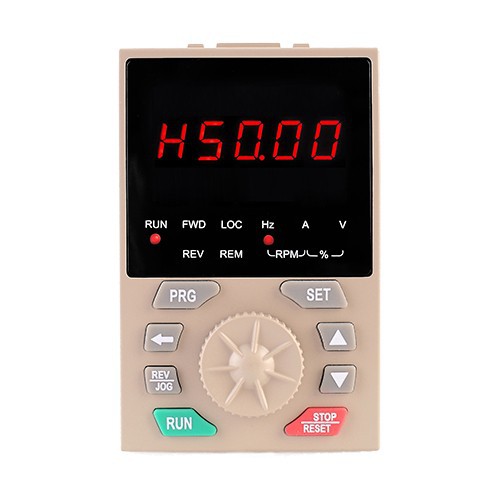
We also have LCD Panel options. These panels can display all the data collected by the Feedback Unit in an easy - to - read format. You can see real - time information about the system's performance right on the panel. It's like having a dashboard for your control system.
If you're in the market for a Feedback Unit, you'll find that our units are built to last. They're designed with high - quality components and advanced technology. Whether you're running a small business or a large industrial plant, our Feedback Units can be customized to fit your specific needs.
So, if you're interested in improving the efficiency and reliability of your hierarchical control system, don't hesitate to reach out. We're here to help you find the perfect Feedback Unit solution for your business. Contact us to start a discussion about your requirements and how we can work together to take your system to the next level.
References
- Dorf, R. C., & Bishop, R. H. (2016). Modern Control Systems. Pearson.
- Franklin, G. F., Powell, J. D., & Emami - Naeini, A. (2015). Feedback Control of Dynamic Systems. Pearson.