

Hey there! As a supplier of Brake Units, I'm super stoked to break down how a hydraulic brake unit operates. It's a pretty cool piece of tech that plays a crucial role in many different applications, from cars to heavy machinery. So, let's dive right in!
The Basics of Hydraulic Brakes
First off, let's talk about what makes hydraulic brakes so special. Unlike mechanical brakes that use cables or rods to transfer force, hydraulic brakes use a fluid to transmit pressure. This fluid is usually a special type of brake fluid that's designed to handle high pressures and extreme temperatures.
The basic components of a hydraulic brake system include a master cylinder, brake lines, calipers or wheel cylinders, and brake pads or shoes. When you press the brake pedal, it pushes a piston in the master cylinder. This piston then forces brake fluid through the brake lines and into the calipers or wheel cylinders.
The Master Cylinder
The master cylinder is like the heart of the hydraulic brake system. It's usually located under the hood, near the firewall on the driver's side. When you step on the brake pedal, it activates a pushrod that moves the piston inside the master cylinder.
As the piston moves, it creates pressure in the brake fluid. This pressure is then transmitted through the brake lines to the calipers or wheel cylinders at each wheel. The master cylinder also has a reservoir that holds the brake fluid. This reservoir is important because it allows the system to compensate for any fluid loss due to wear or leaks.
Brake Lines
The brake lines are the arteries of the hydraulic brake system. They're made of metal or reinforced rubber and are designed to withstand high pressures. The brake lines carry the brake fluid from the master cylinder to the calipers or wheel cylinders at each wheel.
It's important to keep the brake lines in good condition because any damage or leaks can cause a loss of pressure in the system. This can lead to reduced braking performance or even complete brake failure. Regular inspections and maintenance of the brake lines are essential to ensure the safety of your vehicle.
Calipers and Wheel Cylinders
The calipers and wheel cylinders are responsible for applying the braking force to the wheels. In a disc brake system, the calipers are located on each wheel and contain pistons that squeeze the brake pads against the rotor. This creates friction, which slows down the rotation of the wheel.
In a drum brake system, the wheel cylinders are located inside the brake drums. When pressure is applied to the brake fluid, the pistons in the wheel cylinders push the brake shoes against the inside of the drum. This also creates friction, which slows down the rotation of the wheel.
Brake Pads and Shoes
The brake pads and shoes are the parts that actually come into contact with the rotor or drum to create friction. They're made of a special material that's designed to withstand high temperatures and wear. Over time, the brake pads and shoes will wear down and need to be replaced.
It's important to replace the brake pads and shoes before they wear down too much. If the brake pads or shoes are worn too thin, they can cause damage to the rotor or drum, which can be expensive to repair. Regular inspections of the brake pads and shoes are essential to ensure the safety of your vehicle.
The Role of the Feedback Unit
Now, let's talk about the role of the Feedback Unit in a hydraulic brake system. The feedback unit is a component that provides information about the braking force being applied. This information is used by the vehicle's computer system to adjust the braking force as needed.
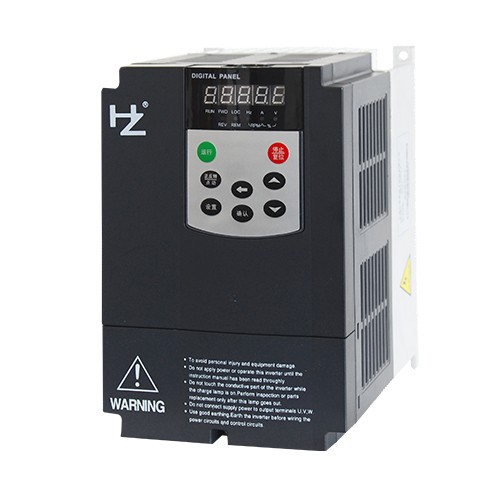
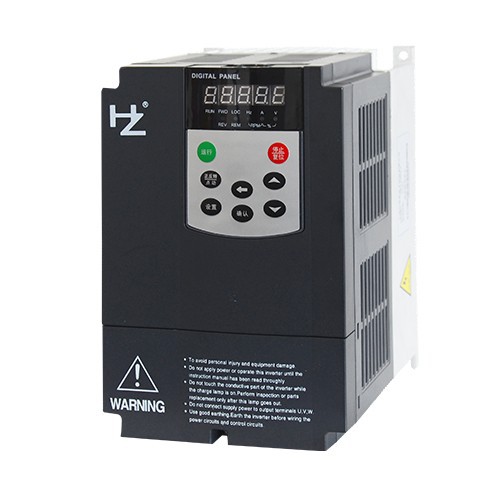
For example, if you're driving on a slippery road, the feedback unit will detect that the wheels are starting to lock up. It will then send a signal to the vehicle's computer system, which will reduce the braking force to prevent the wheels from locking up. This helps to maintain control of the vehicle and prevent accidents.
Braking Resistance for VFD
In some applications, such as variable frequency drives (VFDs), a Braking Resistance for VFD is used to dissipate the energy generated during braking. When a VFD is used to control the speed of an electric motor, it can generate a lot of energy when the motor is decelerated.
The braking resistance for VFD is designed to absorb this energy and convert it into heat. This helps to prevent the VFD from overheating and damaging the components. By using a braking resistance for VFD, you can ensure the reliable operation of your VFD system.
Our Brake Units
As a supplier of Brake Units, we offer a wide range of high-quality brake units for various applications. Our brake units are designed to provide reliable and efficient braking performance in even the most demanding conditions.
We use the latest technology and manufacturing processes to ensure that our brake units meet the highest standards of quality and safety. Whether you need a brake unit for a car, truck, or heavy machinery, we have the right solution for you.
Why Choose Our Brake Units?
There are several reasons why you should choose our brake units. First of all, we offer a wide range of brake units to choose from. This means that you can find the right brake unit for your specific application.
Secondly, our brake units are made from high-quality materials and are designed to last. We use the latest technology and manufacturing processes to ensure that our brake units are reliable and efficient.
Finally, we offer excellent customer service. Our team of experts is always available to answer your questions and help you choose the right brake unit for your needs. We also offer fast and reliable shipping, so you can get your brake unit quickly and start using it right away.
Contact Us for Procurement
If you're interested in purchasing our brake units, we'd love to hear from you. Whether you're a small business or a large corporation, we can provide you with the right brake units at the right price.
Just reach out to us to start a procurement discussion. We'll work with you to understand your specific needs and provide you with a customized solution. Don't hesitate to get in touch and take the first step towards reliable braking performance.
References
- Automotive Brake Systems Handbook
- Hydraulic Engineering Principles
- Variable Frequency Drive Technology Manual