

Hey there! As a supplier of 11KW VFDs (Variable Frequency Drives), I often get asked about how the dynamic braking feature of these drives works. So, I thought I'd write this blog to break it down in a way that's easy to understand.
First off, let's quickly go over what a VFD is. A VFD is a device that controls the speed of an AC motor by varying the frequency and voltage supplied to it. This gives you a lot of flexibility in terms of how you operate your motor, whether it's for industrial machinery, pumps, or fans. The 11KW VFD, as the name suggests, is designed to handle motors with a power rating of up to 11 kilowatts.
Now, let's dive into dynamic braking. Dynamic braking is a method used to slow down or stop an AC motor quickly. When you're running a motor, it has kinetic energy. When you want to stop the motor, you need to get rid of this energy. That's where dynamic braking comes in.
Here's how it works in a 11KW VFD. When you command the VFD to stop the motor, instead of just cutting off the power, the VFD converts the kinetic energy of the motor into electrical energy. This electrical energy is then dissipated as heat through a braking resistor.
The process starts with the VFD changing the frequency and voltage it supplies to the motor. As the frequency decreases, the motor starts to slow down. But as it slows down, it acts like a generator, producing electrical energy. This energy is fed back into the DC bus of the VFD.
The DC bus is like a storage area for electrical energy in the VFD. When the energy from the motor starts to build up in the DC bus, the voltage in the bus increases. The VFD has a built - in circuit that monitors the voltage in the DC bus. Once the voltage reaches a certain threshold, the dynamic braking circuit kicks in.
The dynamic braking circuit connects the DC bus to the braking resistor. The electrical energy from the DC bus then flows through the resistor. Since the resistor has a certain resistance, the electrical energy is converted into heat according to the formula (P = I^{2}R) (where (P) is power, (I) is current, and (R) is resistance). This heat is then dissipated into the surrounding environment.
One of the key advantages of dynamic braking in a 11KW VFD is that it allows for quick and controlled stops. In many industrial applications, you need to stop the motor rapidly and precisely. For example, in a conveyor belt system, if you need to stop the belt suddenly to avoid a collision or for maintenance, dynamic braking can do the job efficiently.
Another advantage is that it reduces wear and tear on the mechanical braking systems. Traditional mechanical brakes rely on friction to stop the motor. Over time, this friction can cause the brake pads to wear out, leading to increased maintenance costs. With dynamic braking, the mechanical brakes can be used less frequently, extending their lifespan.
However, there are also some things to consider when using dynamic braking in a 11KW VFD. One of the main considerations is the size of the braking resistor. The size of the resistor needs to be carefully selected based on the application. If the resistor is too small, it won't be able to dissipate the energy quickly enough, and the VFD may overheat. On the other hand, if the resistor is too large, it will be more expensive and may take up more space.
Another consideration is the heat generated by the braking resistor. The heat needs to be dissipated properly to prevent damage to the VFD and other components in the system. This may require proper ventilation or cooling systems.
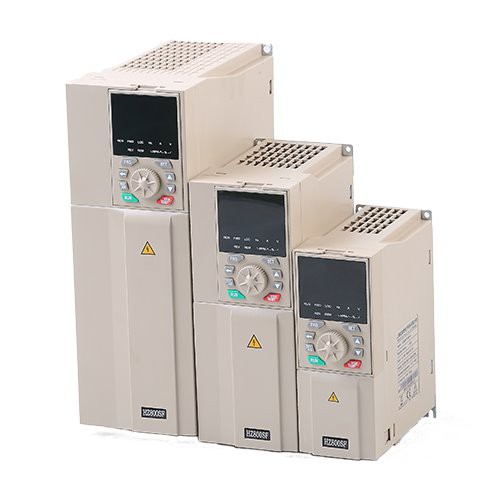
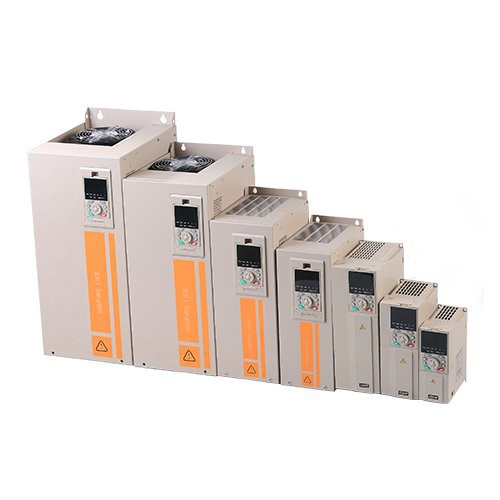
Now, if you're in the market for a VFD, we also offer other options like the 3.7KW VFD and the 1.5KW VFD. These are great for smaller applications where you don't need as much power. And if you're dealing with single - phase power sources and need to run a three - phase motor, our VFD Single Phase To 3 Phase is a perfect solution.
If you're interested in learning more about our 11KW VFDs or any of our other products, or if you want to discuss your specific application requirements, don't hesitate to reach out. We're here to help you find the best VFD solution for your needs. Whether you're a small business or a large industrial operation, we've got the expertise and the products to support you.
In conclusion, dynamic braking in a 11KW VFD is a crucial feature that provides quick and controlled stops, reduces mechanical wear, but also requires careful consideration of the braking resistor size and heat dissipation. If you have any questions or need further information, feel free to contact us. We're always happy to have a chat and help you make the right choice for your motor control needs.
References:
- Electric Motor Handbook, various editions
- Variable Frequency Drive Application Guides from industry manufacturers