

As a VFD parts supplier, I've seen firsthand the importance of ensuring the stability of Variable Frequency Drive (VFD) parts. VFDs are used in a wide range of applications, from industrial machinery to HVAC systems, and their reliability is crucial for the smooth operation of these systems. In this blog, I'll share some tips on how to ensure the stability of VFD parts based on my experience in the industry.
Understanding the Basics of VFD Parts
Before we dive into the tips, let's quickly go over what VFD parts are and how they work. A VFD is an electronic device that controls the speed of an AC motor by varying the frequency and voltage supplied to the motor. The main components of a VFD include a rectifier, an inverter, and a control circuit.
The rectifier converts the incoming AC power to DC power, while the inverter converts the DC power back to AC power at the desired frequency and voltage. The control circuit monitors and adjusts the operation of the rectifier and inverter to ensure that the motor runs at the desired speed.
1. Quality Sourcing of Components
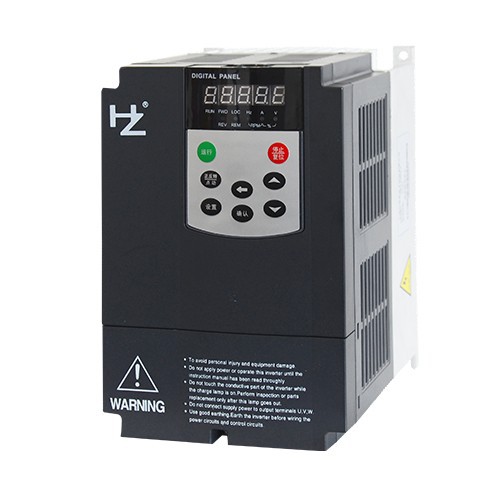
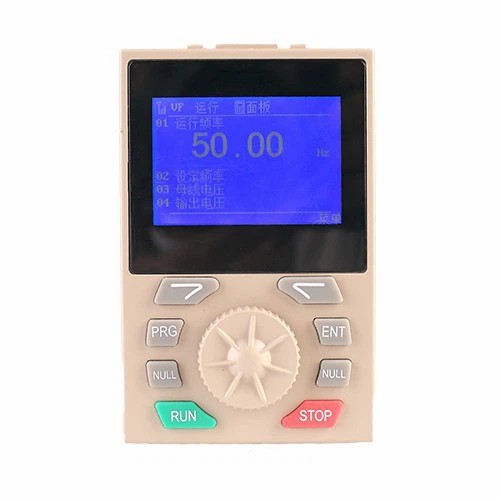
One of the most important factors in ensuring the stability of VFD parts is sourcing high - quality components. When we're talking about components like Brake Unit, LCD Panel, and LED Digital Panel, we need to be really picky.
We work with trusted suppliers who have a proven track record of providing reliable parts. We check their manufacturing processes, quality control measures, and even their reputation in the market. For example, for the brake units, we look for ones that can handle the high - energy braking requirements without overheating or failing. And for the display panels, we need them to be clear, durable, and able to withstand different environmental conditions.
2. Rigorous Testing
Once we get the components, we don't just put them straight into production. We conduct a series of rigorous tests. First, we do incoming inspection. We check the physical appearance of the parts for any visible defects like cracks, scratches, or loose connections.
Then, we perform electrical tests. For example, we test the voltage and current ratings of the components to make sure they match the specifications. We also do functional tests. For the LCD Panel, we check if all the pixels are working properly, and for the brake unit, we test its braking performance under different load conditions.
We also do environmental testing. We expose the parts to different temperatures, humidity levels, and vibration conditions to see how they perform. This helps us identify any potential issues that might occur in real - world applications.
3. Proper Storage and Handling
How we store and handle the VFD parts also plays a big role in their stability. We store the parts in a clean, dry, and temperature - controlled environment. Excessive heat, humidity, or dust can damage the parts over time.
When handling the parts, we use proper tools and techniques. For example, when installing the delicate LED Digital Panel, we make sure to wear anti - static gloves to prevent electrostatic discharge, which can fry the sensitive electronic components.
4. Design Optimization
The design of the VFD parts themselves is crucial. We work on optimizing the design to improve stability. We use advanced simulation tools to analyze the electrical and thermal performance of the parts.
For example, we design the circuit boards in a way that minimizes electromagnetic interference (EMI). EMI can cause glitches in the operation of the VFD, so we use shielding techniques and proper grounding to reduce it. We also optimize the heat dissipation design. Components like the inverter can generate a lot of heat, so we design heat sinks and ventilation channels to keep the temperature under control.
5. Regular Maintenance and Monitoring
Even after the VFD parts are installed and in use, we recommend regular maintenance and monitoring. We provide our customers with maintenance schedules and guidelines.
For example, they should regularly clean the parts to remove dust and debris. They should also check the connections to make sure they're tight. We also encourage the use of monitoring systems. These systems can track the performance of the VFD parts in real - time, such as temperature, voltage, and current. If any abnormal readings are detected, it can alert the users so that they can take preventive measures before a major failure occurs.
6. Staff Training
Our staff plays a vital role in ensuring the stability of VFD parts. We provide comprehensive training to our employees. They learn about the different components, how to handle them properly, and how to perform the tests.
For example, our technicians are trained to diagnose and troubleshoot any issues that might arise during the testing or installation process. Our sales team is also educated about the technical aspects of the parts so that they can provide accurate information to our customers.
7. Continuous Improvement
The VFD industry is constantly evolving, and we need to keep up. We're always looking for ways to improve the stability of our parts. We collect feedback from our customers, analyze the data from the field, and then use this information to make improvements.
For example, if we find that a certain type of LCD Panel has a high failure rate in a particular application, we'll work on developing a more robust version. We also keep an eye on new technologies and materials that can enhance the performance and stability of our VFD parts.
Conclusion
Ensuring the stability of VFD parts is a multi - faceted process. It involves everything from sourcing high - quality components, rigorous testing, proper storage and handling, design optimization, regular maintenance, staff training, and continuous improvement.
If you're in the market for reliable VFD parts, we're here to help. Whether you need a Brake Unit, LCD Panel, or LED Digital Panel, we have the expertise and the products to meet your needs. Contact us for a detailed discussion about your requirements and let's work together to ensure the smooth operation of your VFD systems.
References
- Industry standards for VFD components
- Technical literature from component manufacturers
- In - house testing reports and data analysis