

In the dynamic landscape of industrial machinery and equipment, brake units play a pivotal role in ensuring safety, precision, and efficiency. As a dedicated Brake Unit supplier, I've witnessed firsthand the diverse applications and requirements across various industries. This blog aims to delve into the different types of brake units, shedding light on their unique features, functions, and ideal use cases.
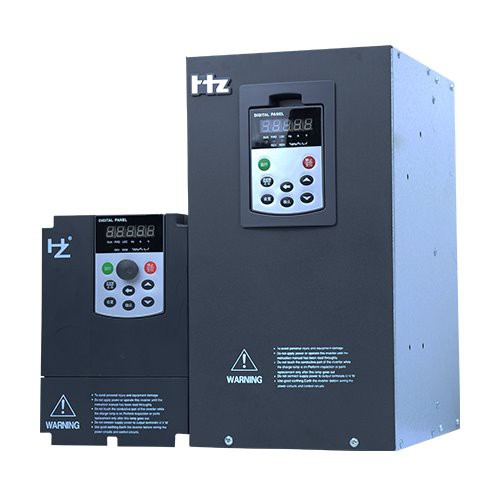

1. Electromagnetic Brake Units
Electromagnetic brake units are among the most commonly used types in industrial settings. These brakes operate based on the principle of electromagnetism, where an electrical current generates a magnetic field to engage or disengage the brake.
How They Work
When the brake is energized, the magnetic field pulls an armature towards the electromagnet, releasing the brake and allowing the shaft to rotate freely. Conversely, when the power is cut off, a spring forces the armature against the brake disc, creating friction and bringing the shaft to a stop.
Advantages
- Rapid Response: Electromagnetic brakes offer quick engagement and disengagement times, making them suitable for applications that require precise control and frequent stopping and starting.
- High Torque Capacity: They can generate significant braking torque, making them ideal for heavy-duty applications such as conveyor systems, cranes, and elevators.
- Adjustable Braking Force: The braking force can be easily adjusted by varying the electrical current, allowing for fine-tuning according to specific application requirements.
Ideal Use Cases
- Machine Tools: In milling machines, lathes, and grinders, electromagnetic brake units provide accurate and reliable stopping power, ensuring operator safety and preventing damage to the workpiece.
- Automotive Industry: These brakes are used in electric vehicles and hybrid cars to provide regenerative braking, which helps to recharge the battery while slowing down the vehicle.
2. Hydraulic Brake Units
Hydraulic brake units utilize hydraulic pressure to generate braking force. They are commonly found in heavy machinery, construction equipment, and automotive applications.
How They Work
When the brake pedal is pressed, a hydraulic fluid is forced through a series of pipes and cylinders, which in turn applies pressure to the brake pads or shoes. This pressure creates friction against the brake disc or drum, slowing down or stopping the vehicle or machinery.
Advantages
- High Braking Force: Hydraulic brakes can generate a large amount of braking force, making them suitable for heavy vehicles and machinery.
- Smooth Operation: The hydraulic system provides a smooth and consistent braking action, reducing wear and tear on the brake components.
- Self-Adjusting: Hydraulic brakes are self-adjusting, which means they automatically compensate for wear on the brake pads or shoes, ensuring consistent braking performance over time.
Ideal Use Cases
- Heavy Trucks and Buses: Hydraulic brake units are the standard choice for heavy trucks and buses due to their high braking force and reliability.
- Construction Equipment: In excavators, loaders, and bulldozers, hydraulic brakes provide the necessary stopping power to ensure safe operation on construction sites.
3. Pneumatic Brake Units
Pneumatic brake units use compressed air to generate braking force. They are commonly used in commercial vehicles, such as trucks, buses, and trailers.
How They Work
When the brake pedal is pressed, compressed air is sent from the air compressor to the brake chambers, which in turn apply pressure to the brake pads or shoes. This pressure creates friction against the brake disc or drum, slowing down or stopping the vehicle.
Advantages
- Fast Response Time: Pneumatic brakes offer a fast response time, making them suitable for applications that require quick stopping.
- Lightweight: Pneumatic brake systems are relatively lightweight compared to hydraulic brake systems, which can help to improve fuel efficiency.
- Easy Maintenance: Pneumatic brakes are easy to maintain and repair, as they have fewer moving parts compared to hydraulic brakes.
Ideal Use Cases
- Commercial Vehicles: Pneumatic brake units are the standard choice for commercial vehicles due to their fast response time, reliability, and ease of maintenance.
- Railway Applications: In trains and locomotives, pneumatic brakes are used to provide the necessary stopping power to ensure safe operation on the tracks.
4. Eddy Current Brake Units
Eddy current brake units use electromagnetic induction to generate braking force. They are commonly used in high-speed applications, such as trains, roller coasters, and industrial machinery.
How They Work
When a conductive material, such as a metal disc or drum, rotates within a magnetic field, eddy currents are induced in the material. These eddy currents create a magnetic field that opposes the rotation of the disc or drum, generating a braking force.
Advantages
- Smooth and Quiet Operation: Eddy current brakes provide a smooth and quiet braking action, making them suitable for applications where noise and vibration are a concern.
- High-Speed Capability: These brakes can operate at high speeds without overheating, making them ideal for high-speed applications.
- Long Service Life: Eddy current brakes have no friction components, which means they have a long service life and require minimal maintenance.
Ideal Use Cases
- Trains and High-Speed Rail: Eddy current brake units are used in trains and high-speed rail systems to provide reliable and efficient braking performance at high speeds.
- Roller Coasters and Amusement Rides: In roller coasters and other amusement rides, eddy current brakes are used to control the speed and provide a smooth and safe ride experience.
5. Spring Applied Brake Units
Spring applied brake units are designed to provide fail-safe braking in the event of a power failure or system malfunction. They are commonly used in critical applications where safety is of utmost importance.
How They Work
These brakes are normally engaged by a spring force and are released by an electrical or hydraulic actuator. When the power is cut off or the system malfunctions, the spring force automatically applies the brake, bringing the equipment to a stop.
Advantages
- Fail-Safe Operation: Spring applied brakes provide a reliable and fail-safe braking solution, ensuring the safety of personnel and equipment in the event of a power failure or system malfunction.
- High Torque Capacity: These brakes can generate significant braking torque, making them suitable for heavy-duty applications.
- Easy Installation: Spring applied brakes are easy to install and can be integrated into existing systems with minimal modifications.
Ideal Use Cases
- Elevators and Hoists: In elevators and hoists, spring applied brake units provide fail-safe braking to prevent the elevator car or hoist from falling in the event of a power failure or system malfunction.
- Robotics and Automation: In robotic systems and automated machinery, spring applied brakes are used to ensure the safety of the robot and prevent it from moving unexpectedly.
Choosing the Right Brake Unit
Selecting the right brake unit for your application is crucial to ensure optimal performance, safety, and reliability. Here are some factors to consider when choosing a brake unit:
- Application Requirements: Consider the specific requirements of your application, such as the required braking torque, speed, and duty cycle.
- Environmental Conditions: Take into account the environmental conditions in which the brake unit will operate, such as temperature, humidity, and dust.
- Safety Requirements: Ensure that the brake unit meets all relevant safety standards and regulations for your industry.
- Cost and Maintenance: Consider the cost of the brake unit, as well as the maintenance requirements and expected service life.
As a Brake Unit supplier, I have the expertise and experience to help you choose the right brake unit for your specific application. Whether you need an electromagnetic brake unit for a machine tool, a hydraulic brake unit for a heavy truck, or a spring applied brake unit for an elevator, I can provide you with high-quality products and reliable support.
Why Choose Our Brake Units
- Quality and Reliability: Our brake units are manufactured to the highest quality standards, using only the best materials and components. We conduct rigorous testing and quality control checks to ensure that our products meet or exceed your expectations.
- Customization Options: We understand that every application is unique, which is why we offer a wide range of customization options for our brake units. Whether you need a specific size, torque rating, or mounting configuration, we can work with you to develop a custom solution that meets your exact requirements.
- Technical Support: Our team of experienced engineers and technicians is available to provide you with technical support and assistance throughout the entire process, from product selection to installation and maintenance.
- Competitive Pricing: We offer competitive pricing on all of our brake units, without compromising on quality or performance. We believe that high-quality products should be affordable, and we are committed to providing you with the best value for your money.
Contact Us for Brake Unit Procurement
If you are in the market for a high-quality brake unit, I invite you to contact us to discuss your requirements. Our team of experts will be happy to provide you with more information about our products, answer any questions you may have, and assist you in choosing the right brake unit for your application.
You can find more details about our Brake Unit on our website. Additionally, if you are interested in LED Digital Panel or LED Digital Panel Factory, we also have relevant products and services to meet your needs.
Let's work together to find the perfect brake unit solution for your business.
References
- "Brake Systems Handbook" by Heinz Heisler
- "Automotive Brake Systems" by Joseph L. Vitt
- "Industrial Brakes and Clutches: Design and Selection" by Robert L. Norton