

Hey there! As a supplier of Three Phase VFDs (Variable Frequency Drives), I've been getting a bunch of questions about the environmental requirements for installing these nifty devices. So, I thought I'd put together this blog to share some insights.
First off, let's talk about temperature. Three Phase VFDs are pretty sensitive to temperature. Most of these drives are designed to work in an environment where the temperature ranges from 0°C to 50°C. If it gets too cold, below 0°C, the internal components might freeze up or malfunction. On the other hand, if the temperature goes above 50°C, the drive can overheat. Overheating is a big no - no because it can cause the components to degrade faster, reduce the lifespan of the drive, and even lead to a complete breakdown.
For example, in a manufacturing plant where there are a lot of heavy - duty machines running, the temperature can rise quickly. You need to make sure there's proper ventilation to keep the VFD cool. If you're installing it in a hot climate area, like the desert regions, you might want to consider using an air - conditioning unit or a heat exchanger to maintain the right temperature.
Humidity is another crucial factor. The ideal relative humidity for installing a Three Phase VFD is between 10% and 90% (non - condensing). High humidity can lead to condensation inside the drive. When water droplets form on the electrical components, it can cause short - circuits and corrosion. Imagine having a drive installed in a coastal area where the air is full of moisture. You'd need to take extra precautions, like using a dehumidifier or enclosing the VFD in a moisture - resistant cabinet.
On the flip side, extremely low humidity can also be a problem. It can cause static electricity to build up, which might damage the sensitive electronic parts of the VFD. In a dry environment, such as a desert or a building with a very dry HVAC system, you can use anti - static mats or ionizers to reduce the risk of static discharge.
Now, let's discuss the issue of dust and dirt. Dust is the enemy of any electronic device, and Three Phase VFDs are no exception. Dust can accumulate on the heat sinks and other components, reducing their ability to dissipate heat. This can lead to overheating, just like in the case of high temperatures. In industrial settings, there's often a lot of dust from manufacturing processes. You should install the VFD in a clean and dust - free environment, or at least use a dust - proof enclosure.
If you're in a mining area or a construction site, where there's a lot of particulate matter in the air, you might want to consider using a filter on the ventilation system of the VFD enclosure. This can help keep the dust out and ensure the drive operates smoothly.
Vibration is yet another aspect to consider. Excessive vibration can cause the internal components of the VFD to loosen or break. In a factory with large rotating machinery, there can be significant vibrations. To prevent damage, you should mount the VFD on a vibration - isolated platform or use shock - absorbing materials. This way, the drive won't be affected by the vibrations from the surrounding equipment.
When it comes to electrical environment, electromagnetic interference (EMI) is a big concern. EMI can come from various sources, such as other electrical equipment, power lines, or radio frequency transmitters. It can disrupt the normal operation of the VFD and cause errors in its control signals. You need to install the VFD away from sources of EMI. If that's not possible, you can use EMI filters to reduce the interference. Some VFDs also come with built - in EMI protection, but it's still a good idea to take extra precautions.
Now, let's talk about the different types of Three Phase VFDs and their specific environmental requirements. There are Vector Control VFD and VF Control VFD. Vector Control VFDs are more advanced and precise in controlling the motor speed and torque. They usually have more sensitive electronic components, so they might require a cleaner and more stable environment compared to VF Control VFDs.
If you're planning to install a VFD outdoors, you have even more challenges to deal with. Outdoor VFD need to be protected from rain, snow, sunlight, and extreme temperature fluctuations. They should be housed in a weather - proof enclosure that can withstand the elements. The enclosure should also have proper ventilation to prevent overheating, even in hot summer days.
So, as you can see, there are a lot of environmental factors to consider when installing a Three Phase VFD. If you're unsure about any of these requirements or need help in choosing the right VFD for your specific environment, don't hesitate to reach out. We're here to assist you in making the best decision for your application. Whether it's for an industrial plant, a commercial building, or any other setting, we have the expertise and the products to meet your needs.
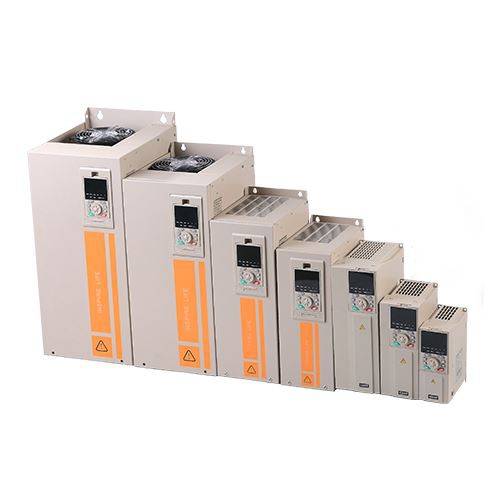

If you're interested in purchasing a Three Phase VFD or have any questions about installation and environmental requirements, just get in touch. We'll be more than happy to discuss your requirements and provide you with a customized solution. Let's work together to ensure your VFD operates efficiently and reliably in its environment.
References
- "Variable Frequency Drive Handbook" by John F. Waggoner
- Technical manuals of various Three Phase VFD manufacturers