

As a seasoned supplier of VFD (Variable Frequency Drive) parts, I've witnessed firsthand the crucial role that proper packaging plays in ensuring the safe delivery and optimal performance of these sensitive components. In this blog post, I'll delve into the various packaging methods for VFD parts, highlighting their importance and providing insights into best practices.
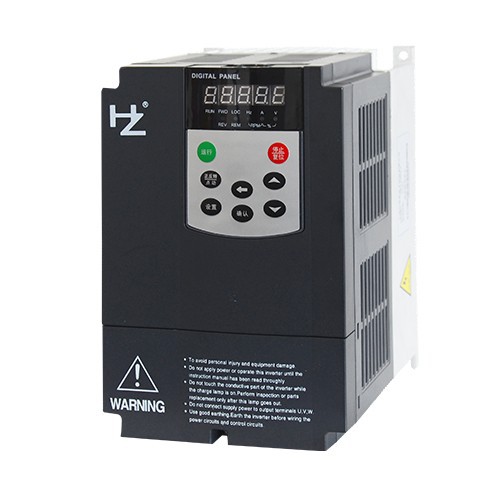
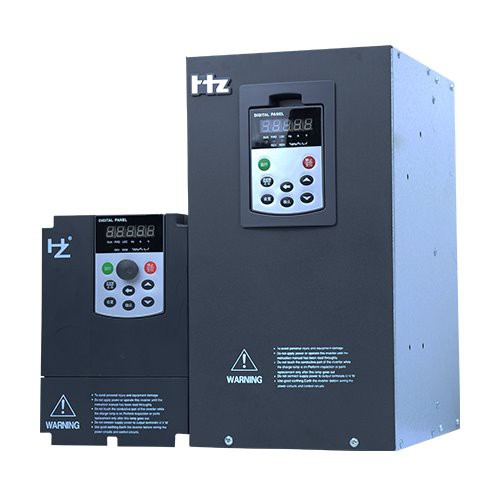
The Significance of Proper Packaging for VFD Parts
VFD parts are intricate and delicate electronic components that can be easily damaged during transit. Factors such as vibration, shock, moisture, and electrostatic discharge (ESD) pose significant risks to their functionality. Proper packaging serves as a protective shield, safeguarding these parts from potential hazards and ensuring they reach their destination in pristine condition.
Moreover, well-packaged VFD parts enhance customer satisfaction by reducing the likelihood of product returns and replacements. When customers receive their orders in perfect condition, they are more likely to trust your brand and become repeat buyers. Additionally, proper packaging can help you comply with shipping regulations and minimize the risk of costly fines or delays.
Packaging Methods for VFD Parts
Anti-Static Packaging
ESD is a common threat to electronic components, including VFD parts. Static electricity can build up during handling and transportation, and a single discharge can cause irreversible damage to sensitive circuits. Anti-static packaging materials, such as anti-static bags and foam, are designed to dissipate static charges and prevent ESD from occurring.
Anti-static bags are typically made of polyethylene or polypropylene and are coated with an anti-static agent. These bags provide a protective barrier around the VFD parts, preventing static electricity from accumulating on their surfaces. Anti-static foam, on the other hand, is a soft, cushioned material that can be used to line shipping boxes and provide additional protection against shock and vibration.
Shock-Absorbing Packaging
Vibration and shock are two of the most common causes of damage to VFD parts during transit. To protect these components from these hazards, it's essential to use shock-absorbing packaging materials. Foam inserts, bubble wrap, and air pillows are all effective options for providing cushioning and absorbing impact.
Foam inserts are custom-cut to fit the shape of the VFD parts, providing a snug and secure fit. They are made of high-density foam that can absorb shock and vibration, protecting the parts from damage. Bubble wrap is another popular choice for shock-absorbing packaging. It consists of small air-filled bubbles that act as a cushion, absorbing impact and protecting the parts from damage. Air pillows are similar to bubble wrap but are larger and more flexible. They can be used to fill empty spaces in shipping boxes and provide additional cushioning.
Moisture-Resistant Packaging
Moisture can cause corrosion and damage to VFD parts, especially if they are exposed to high humidity or wet conditions during transit. To protect these components from moisture, it's essential to use moisture-resistant packaging materials. Desiccant packets, moisture barrier bags, and sealed containers are all effective options for preventing moisture from reaching the VFD parts.
Desiccant packets are small bags filled with a moisture-absorbing material, such as silica gel. They can be placed inside shipping boxes or packaging to absorb any moisture that may be present. Moisture barrier bags are made of a material that is impermeable to moisture, such as aluminum foil or polyethylene. These bags provide a protective barrier around the VFD parts, preventing moisture from reaching them. Sealed containers, such as plastic or metal boxes, can also be used to protect VFD parts from moisture. These containers can be sealed with a gasket or O-ring to prevent moisture from entering.
Custom Packaging
In some cases, standard packaging materials may not be sufficient to protect VFD parts during transit. For these situations, custom packaging solutions may be required. Custom packaging can be designed to fit the specific shape and size of the VFD parts, providing a snug and secure fit. It can also be tailored to meet the specific requirements of the shipping environment, such as temperature, humidity, and vibration.
Custom packaging solutions can include custom foam inserts, molded plastic trays, and custom-designed shipping boxes. These solutions can provide enhanced protection for VFD parts, reducing the risk of damage during transit. They can also improve the efficiency of the packaging process, as they can be designed to be easy to assemble and disassemble.
Best Practices for Packaging VFD Parts
In addition to using the appropriate packaging materials, there are several best practices that you should follow when packaging VFD parts. These practices can help ensure the safe delivery and optimal performance of these components.
Inspect the Parts Before Packaging
Before packaging the VFD parts, it's essential to inspect them for any damage or defects. This can help you identify any issues that may need to be addressed before shipping the parts. If you notice any damage or defects, you should replace the parts or repair them before packaging them.
Clean the Parts Before Packaging
Cleaning the VFD parts before packaging can help prevent the accumulation of dust, dirt, and other contaminants. This can help ensure the optimal performance of the parts and reduce the risk of damage during transit. You can use a clean, dry cloth or a compressed air canister to clean the parts.
Label the Packaging Clearly
Labeling the packaging clearly can help ensure that the VFD parts are handled and shipped correctly. You should include information such as the part number, description, quantity, and destination address on the packaging. You should also include any special handling instructions, such as "fragile" or "handle with care."
Use Appropriate Shipping Methods
Choosing the appropriate shipping method is essential for ensuring the safe delivery of VFD parts. You should consider factors such as the size and weight of the parts, the destination address, and the shipping time when choosing a shipping method. You should also choose a shipping carrier that has a good reputation for handling fragile and sensitive electronic components.
Conclusion
Proper packaging is essential for ensuring the safe delivery and optimal performance of VFD parts. By using the appropriate packaging materials and following best practices, you can protect these components from potential hazards and ensure they reach their destination in pristine condition. As a VFD parts supplier, I'm committed to providing high-quality packaging solutions that meet the specific needs of my customers. If you have any questions or need assistance with packaging your VFD parts, please don't hesitate to [contact me for procurement discussions]. I'll be happy to help you find the best packaging solution for your needs.
References
- "Packaging and Shipping Electronics: Best Practices," Electronics Manufacturing Services Association.
- "Anti-Static Packaging for Electronic Components," Static Solutions.
- "Shock and Vibration Protection for Electronic Devices," Packaging Digest.
- "Moisture Protection for Electronic Components," Desiccant Solutions.