

As a supplier of 1.5KW Variable Frequency Drives (VFDs), I often encounter questions from customers about the various functions of our products. One crucial function that deserves in - depth discussion is the phase - loss protection function. In this blog, I will explain what the phase - loss protection function of a 1.5KW VFD is, why it is important, and how it works.
What is Phase - Loss?
Before delving into the phase - loss protection function, it's essential to understand what phase - loss means. In a three - phase power system, which is commonly used in industrial and commercial applications, electrical power is supplied through three conductors, each carrying an alternating current (AC) with a phase difference of 120 degrees. Phase - loss occurs when one of these three phases loses its electrical supply. This can happen due to a variety of reasons, such as a blown fuse, a damaged contactor, or a broken wire in the power distribution system.
Why is Phase - Loss Protection Important for a 1.5KW VFD?
A 1.5KW VFD is designed to control the speed and torque of an electric motor by varying the frequency and voltage of the power supplied to the motor. When a phase - loss occurs in the input power supply, it can have several detrimental effects on both the VFD and the connected motor:
- Overheating of the Motor: When one phase is lost, the motor will draw unbalanced currents from the remaining two phases. This unbalanced current flow can cause the motor windings to overheat, leading to insulation damage and ultimately motor failure. Since a 1.5KW motor is often used in applications where continuous operation is required, such as in conveyor systems or pumps, motor overheating can result in costly downtime and repair.
- Damage to the VFD: The VFD's internal components, such as the rectifier, inverter, and capacitors, are designed to operate with a balanced three - phase power supply. A phase - loss can cause excessive stress on these components, leading to premature failure. Repairing or replacing a damaged VFD can be expensive and time - consuming.
- Inefficient Operation: A motor operating under phase - loss conditions will not be able to deliver its rated power and torque efficiently. This can lead to reduced productivity and increased energy consumption, as the motor has to work harder to achieve the desired output.
How Does the Phase - Loss Protection Function of a 1.5KW VFD Work?
The phase - loss protection function of a 1.5KW VFD is designed to detect the presence of a phase - loss in the input power supply and take appropriate action to protect the VFD and the connected motor. There are two main methods used by VFDs to detect phase - loss:
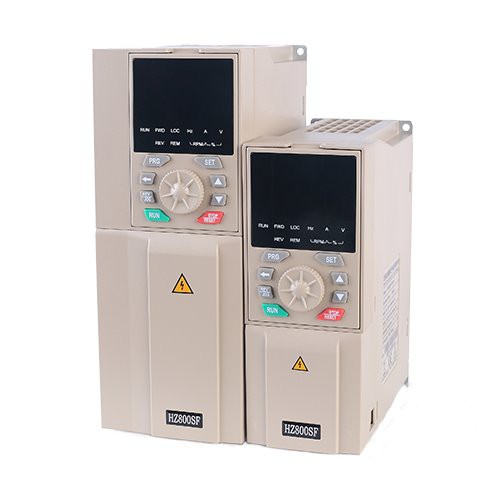

- Voltage Sensing: Most VFDs use voltage sensors to monitor the voltage of each phase in the input power supply. The VFD continuously compares the voltage of each phase with a predefined threshold. If the voltage of one phase drops below this threshold for a certain period, the VFD will detect a phase - loss. Once a phase - loss is detected, the VFD will typically stop supplying power to the motor and display an error message on its control panel.
- Current Sensing: Some advanced VFDs also use current sensors to detect phase - loss. By monitoring the current flowing through each phase, the VFD can detect any significant imbalances in the current. If the current in one phase is significantly different from the other two phases, the VFD will assume that a phase - loss has occurred and take appropriate action.
Types of Phase - Loss Protection in 1.5KW VFDs
There are two main types of phase - loss protection that can be found in 1.5KW VFDs:
- Input Phase - Loss Protection: This type of protection monitors the input power supply to the VFD. If a phase - loss is detected in the input power, the VFD will stop operating and prevent any power from being supplied to the motor. Input phase - loss protection is essential for protecting the VFD's internal components from damage.
- Output Phase - Loss Protection: Output phase - loss protection monitors the power output from the VFD to the motor. If a phase - loss is detected in the output power, the VFD will also stop operating and display an error message. Output phase - loss protection helps to protect the connected motor from overheating and damage.
Benefits of Phase - Loss Protection in 1.5KW VFDs
The phase - loss protection function in a 1.5KW VFD offers several benefits to users:
- Increased Equipment Reliability: By protecting the VFD and the connected motor from phase - loss damage, the phase - loss protection function helps to increase the overall reliability of the equipment. This reduces the likelihood of unexpected breakdowns and downtime, which can save businesses significant amounts of money in repair and replacement costs.
- Energy Efficiency: A motor operating under balanced three - phase power conditions is more energy - efficient than a motor operating under phase - loss conditions. The phase - loss protection function ensures that the motor always operates with a balanced power supply, which helps to reduce energy consumption and lower operating costs.
- Safety: Overheating of the motor and VFD due to phase - loss can pose a safety hazard, such as the risk of fire. The phase - loss protection function helps to prevent these safety issues by shutting down the system when a phase - loss is detected.
Comparison with Other VFDs
When considering the phase - loss protection function, it's also interesting to compare our 1.5KW VFD with other VFDs in the market, such as the 2.2KW VFD and the 18.5KW VFD. While the basic principle of phase - loss protection is the same across different power ratings, there may be some differences in the implementation and sensitivity of the protection function.
Larger VFDs, such as the 18.5KW VFD, may have more advanced phase - loss detection algorithms and additional protection features to handle the higher power levels and more complex applications. On the other hand, smaller VFDs like our 1.5KW VFD are designed to be cost - effective while still providing reliable phase - loss protection for smaller motors.
Applications of 1.5KW VFDs with Phase - Loss Protection
- HVAC Systems: In heating, ventilation, and air - conditioning (HVAC) systems, 1.5KW VFDs are often used to control the speed of fans and pumps. The phase - loss protection function ensures that the VFD and the connected motors operate reliably, maintaining the proper temperature and air quality in the building.
- Water Treatment Plants: Pumps in water treatment plants require precise speed control to ensure efficient operation. A 1.5KW VFD with phase - loss protection can prevent motor damage and ensure continuous water supply.
- Food and Beverage Industry: Conveyor systems in food and beverage production lines often use 1.5KW motors. The phase - loss protection function helps to prevent production disruptions and maintain product quality.
Conclusion
The phase - loss protection function of a 1.5KW VFD is a critical feature that helps to protect both the VFD and the connected motor from the damaging effects of phase - loss. By detecting phase - loss in the input power supply and taking appropriate action, the VFD can prevent motor overheating, damage to its internal components, and inefficient operation.
If you are in the market for a reliable 1.5KW VFD with excellent phase - loss protection, look no further. Our company offers high - quality VFDs that are designed to meet the needs of various applications. Whether you are using the VFD for a small motor in a home workshop or in an industrial setting, our products can provide the performance and protection you need.
We understand that every customer has unique requirements, and we are committed to providing personalized solutions. If you have any questions about our 1.5KW VFDs or need further information about the phase - loss protection function, please do not hesitate to contact us. We look forward to discussing your needs and helping you find the perfect VFD for your application.
References
- “Variable Frequency Drives: Selection, Application, and Troubleshooting” by Dan Hebert
- “Electric Motor Handbook” by Teruo Matsui