

When it comes to operating an 11KW Variable Frequency Drive (VFD), setting the right parameters is crucial for achieving optimal performance, efficiency, and protection of the entire system. As an experienced 11KW VFD supplier, I've witnessed firsthand how proper parameter configuration can make a significant difference in the operation of industrial equipment. In this blog, I'll walk you through the key parameters that need to be set for an 11KW VFD.
1. Basic Frequency and Voltage Parameters
- Rated Frequency: The rated frequency is the frequency at which the VFD is designed to operate the motor under normal conditions. For most industrial applications, the standard rated frequency is 50Hz or 60Hz. This parameter needs to be set according to the power grid frequency in your area and the motor's rated frequency. Incorrect setting can lead to abnormal motor operation, such as over - heating or reduced torque.
- Rated Voltage: Similar to the rated frequency, the rated voltage of the VFD must match the motor's rated voltage. Common rated voltages include 220V, 380V, and 480V. Setting the wrong voltage can cause the motor to draw excessive current, potentially damaging the motor and the VFD itself.
2. Motor Parameters
- Motor Power: You need to input the motor's rated power, which in this case is 11KW. This information helps the VFD to accurately control the motor's performance and ensure that it operates within its safe limits. If the power setting is incorrect, the VFD may not be able to provide the appropriate amount of power to the motor, leading to inefficient operation or even motor failure.
- Motor Current: The rated current of the motor is another critical parameter. The VFD uses this value to monitor the motor's current draw and implement over - current protection. If the motor current exceeds the set limit, the VFD will automatically shut down to prevent damage to the motor and the drive.
- Motor Speed: Input the motor's rated speed (usually in RPM - revolutions per minute). This parameter is important for speed control applications. The VFD can adjust the output frequency to achieve the desired motor speed based on this setting.
3. Speed Control Parameters
- Speed Range: Define the minimum and maximum speed limits for the motor. The minimum speed should be set high enough to ensure that the motor can operate stably, while the maximum speed should not exceed the motor's rated speed or the mechanical limitations of the driven equipment. For example, in a conveyor belt application, the speed range needs to be set according to the conveyor's operational requirements.
- Acceleration and Deceleration Time: These parameters determine how quickly the motor can increase or decrease its speed. A short acceleration or deceleration time can cause the motor to draw high currents, while a long time may result in slow response. The acceleration and deceleration times should be set based on the inertia of the load and the application's requirements. For instance, in a crane application, a longer acceleration time may be required to prevent sudden jerks.
4. Torque Control Parameters
- Torque Limit: Set the maximum torque that the motor can produce. This is important for applications where the load may vary, such as in a hoist or a mixer. By setting an appropriate torque limit, you can prevent the motor from over - torqueing and damaging the equipment.
- Torque Compensation: Some applications require additional torque at low speeds to overcome static friction or load inertia. Torque compensation can be adjusted to provide extra torque at low speeds, ensuring smooth operation of the motor.
5. Protection Parameters
- Over - Temperature Protection: The VFD has built - in temperature sensors to monitor its own temperature and the motor's temperature. Set the over - temperature protection threshold to prevent the VFD and the motor from overheating. If the temperature exceeds the set limit, the VFD will shut down to avoid damage.
- Over - Voltage and Under - Voltage Protection: Define the over - voltage and under - voltage limits. If the input voltage exceeds the over - voltage limit or drops below the under - voltage limit, the VFD will take appropriate action, such as shutting down or issuing a warning. This protects the VFD and the motor from voltage - related damage.
6. Communication and Control Mode Parameters
- Control Mode Selection: The VFD can operate in different control modes, such as V/F control (Voltage/Frequency control), Vector Control VFD, and Direct Torque Control (DTC). Each mode has its own advantages and is suitable for different applications. For example, vector control provides more precise speed and torque control, making it ideal for applications that require high - precision operation, such as machine tools.
- Communication Interface: If you need to communicate with the VFD remotely or integrate it into a larger control system, you need to configure the communication interface. Common communication protocols include Modbus, Profibus, and Ethernet. Set the appropriate parameters for the communication interface, such as baud rate, parity, and data bits.
7. Braking Parameters
- Braking Resistance: In some applications, such as elevators or cranes, the motor needs to be braked quickly. A braking resistor can be used to dissipate the excess energy generated during braking. You need to select the appropriate braking resistor value and configure the VFD to use it effectively.
- Braking Torque: Set the braking torque according to the application's requirements. The braking torque determines how quickly the motor can stop. A higher braking torque will result in a faster stop, but it may also cause mechanical stress on the equipment.
As an 11KW VFD supplier, I understand that these parameter settings can be complex, especially for those who are new to VFD technology. However, with the right guidance and experience, you can ensure that your VFD and motor system operate safely and efficiently.
If you are looking for a reliable Variable Speed Drive for Single Phase Motor or a 3.7KW VFD, our company offers a wide range of high - quality VFD products. We have a team of experts who can assist you with parameter setting and technical support. Whether you are a small - scale manufacturer or a large industrial enterprise, we can provide you with the most suitable VFD solutions.

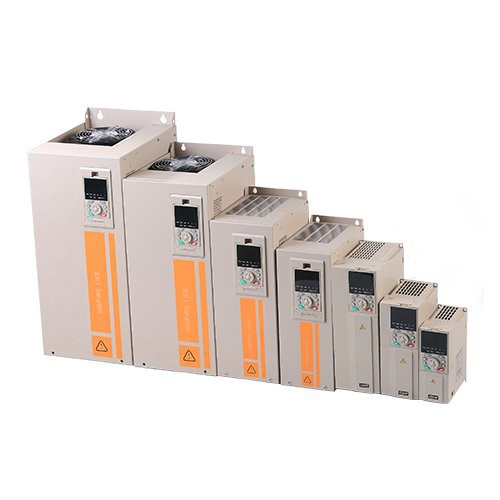
If you are interested in our products or need more information about 11KW VFD parameter settings, please feel free to contact us for a procurement discussion. We are committed to helping you optimize your motor control systems and improve your overall operational efficiency.
References
- "Variable Frequency Drives: Principles, Operation, and Troubleshooting" by Russell G. Coble
- "Motor Control and Protection" by ABB Group