

Hey there! As an LCD panel supplier, I often get asked about the best type of LCD panel for bright rooms. It's a crucial question, especially when you consider how lighting can affect the visibility and performance of these displays. So, let's dive right in and explore which LCD panels are better suited for those well - lit spaces.
First off, we need to understand the challenges that a bright room poses to an LCD panel. In a room flooded with natural sunlight or strong artificial light, reflections and glare can make it extremely difficult to view the content on the screen. This not only affects the user experience but can also lead to eye strain.
One of the most popular types of LCD panels out there is the TN (Twisted Nematic) panel. TN panels are known for their fast response times, which make them great for gaming and fast - paced action content. They're also relatively inexpensive to produce, which means you can get a decent - sized display at an affordable price.
However, when it comes to bright rooms, TN panels have their limitations. They typically have a narrow viewing angle, which means that if you're not looking at the screen straight on, the colors can wash out, and the contrast can drop significantly. Also, their anti - glare properties aren't the best. In a bright room, you're likely to see a lot of reflections on the screen, making it hard to focus on what's being displayed.
On the other hand, we have IPS (In - Plane Switching) panels. IPS panels are a game - changer when it comes to color accuracy and viewing angles. They offer wide viewing angles, so you can see the screen clearly from almost any position. The colors are more vibrant, and the contrast is better compared to TN panels.
In a bright room, IPS panels hold up much better. Their anti - glare coatings are generally more effective at reducing reflections. Even when there's a lot of light hitting the screen, you can still make out the details without too much trouble. But there's a catch. IPS panels usually have slower response times than TN panels, which can be a drawback if you're into gaming or watching high - speed action movies.
Another option to consider is VA (Vertical Alignment) panels. VA panels strike a balance between TN and IPS panels. They have better contrast ratios than both TN and IPS panels, which means you'll get deeper blacks and more vivid colors. Their viewing angles are also better than TN panels, though not as wide as IPS panels.
In a bright room, VA panels can handle the light quite well. They have decent anti - glare properties, and the high contrast helps in making the content stand out even in well - lit conditions. However, like IPS panels, their response times are slower than TN panels, so they might not be the best choice for gaming enthusiasts.
Now, let's talk about some of the additional features that can make an LCD panel more suitable for a bright room. One important feature is the brightness level. A panel with a high brightness rating (measured in nits) will be more visible in a bright room. For a typical bright room, a panel with at least 300 - 400 nits of brightness is recommended. Some high - end panels can go up to 1000 nits or more, which is great for extremely bright environments.

Another feature is the anti - glare coating. There are different types of anti - glare coatings available, and the quality can vary. A good anti - glare coating will reduce reflections without sacrificing too much image clarity. Some panels also come with a matte finish, which is excellent for reducing glare but can make the screen look a bit dull in low - light conditions.
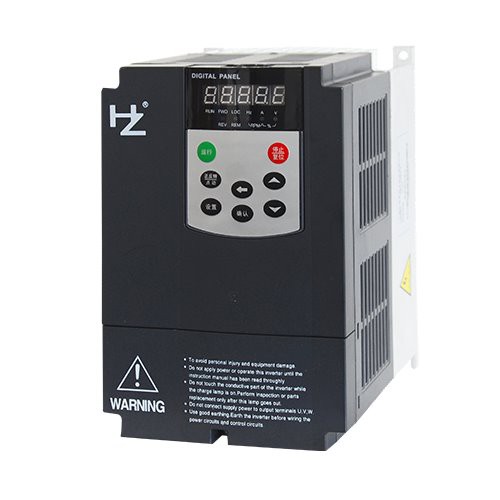
If you're in the market for an LCD panel for a bright room, you might also want to consider some of the related products that can enhance the overall performance. For example, a LED Digital Panel can be a great addition. These panels are known for their high brightness and energy efficiency, and they can complement your main LCD panel nicely.
A Feedback Unit can also be useful. It helps in adjusting the settings of the LCD panel based on the ambient light conditions, ensuring that you always get the best viewing experience. And if you need to control the power consumption or deal with sudden power surges, a Brake Unit can come in handy.
So, which type of LCD panel is more suitable for a bright room? Well, it really depends on your specific needs. If you're a gamer and speed is your top priority, a TN panel might still be a good option, but you'll have to deal with the glare and narrow viewing angles. If color accuracy and wide viewing angles are important to you, then an IPS panel is the way to go. And if you want a good balance between contrast and performance, a VA panel could be the right choice.
As an LCD panel supplier, I'm here to help you make the best decision. Whether you're setting up a home office, a gaming room, or a commercial space, I can provide you with the right panel that suits your requirements and budget. If you're interested in learning more or want to start a procurement discussion, don't hesitate to reach out. I'm always happy to chat and find the perfect LCD panel solution for you.
References
- Some basic knowledge about LCD panels from industry reports
- Personal experience as an LCD panel supplier