

Can a 110v VFD Drive be used for elevators?
As a supplier of 110v VFD (Variable Frequency Drive) drives, I often encounter inquiries regarding the suitability of our products for various applications, including elevators. This blog post aims to delve into the technical aspects, advantages, limitations, and practical considerations when contemplating the use of a 110v VFD drive for elevator systems.
Understanding VFD Drives
Before we explore the compatibility with elevators, let's briefly understand what a VFD drive is. A VFD is an electronic device that controls the speed and torque of an electric motor by varying the frequency and voltage supplied to it. This technology offers precise control over motor operation, leading to energy savings, improved performance, and reduced wear and tear on the motor and associated equipment.
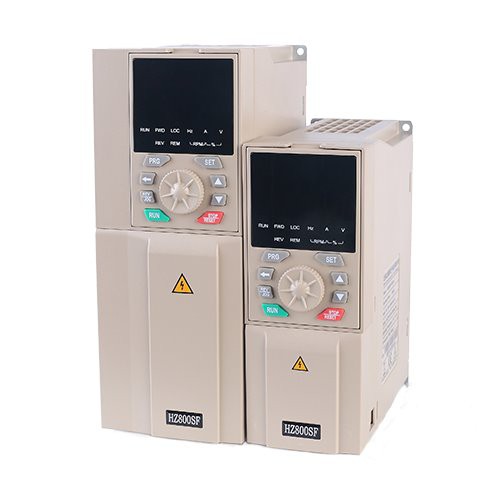
There are different types of VFD drives available in the market, including Variable Frequency Motor Controllers, VFD For 120v Single Phase Motor, and Single Phase VFD Drive. Each type is designed to meet specific requirements and applications.
Technical Considerations for Elevator Systems
Elevators are complex systems that require reliable and efficient operation. The motor used in an elevator must be able to provide sufficient torque to lift the load (passengers and the elevator car) and operate smoothly during acceleration, deceleration, and steady-state movement. Additionally, safety is of utmost importance in elevator systems, and any equipment used must comply with strict safety standards.
The power requirements of an elevator depend on several factors, such as the capacity of the elevator (number of passengers or load weight), the height of the building, and the speed of operation. In general, elevators require a significant amount of power to operate, especially during the starting and stopping phases.
Can a 110v VFD Drive be Used for Elevators?
The short answer is that it depends. In some cases, a 110v VFD drive may be suitable for small, low-capacity elevators or elevator models with specific design requirements. However, for most commercial and high-rise elevator applications, a 110v VFD drive may not be sufficient.
Advantages of Using a 110v VFD Drive for Elevators
- Energy Efficiency: VFD drives are known for their energy-saving capabilities. By adjusting the motor speed according to the load requirements, a 110v VFD drive can reduce energy consumption compared to traditional fixed-speed motor control systems.
- Smooth Operation: The precise control offered by a VFD drive can result in smoother acceleration and deceleration of the elevator, providing a more comfortable ride for passengers.
- Cost Savings: In some cases, using a 110v VFD drive may be more cost-effective than installing a higher-voltage system, especially for small elevator installations.
Limitations of Using a 110v VFD Drive for Elevators
- Power Limitations: As mentioned earlier, elevators typically require a significant amount of power to operate. A 110v VFD drive may not be able to provide enough power to lift heavy loads or operate at high speeds, which can limit its applicability in larger elevator systems.
- Safety Concerns: Elevator systems are subject to strict safety regulations. Using a 110v VFD drive may require additional safety measures to ensure the reliable and safe operation of the elevator.
- Compatibility Issues: Some elevator systems may not be compatible with a 110v VFD drive due to differences in electrical specifications or control requirements.
Practical Considerations
If you are considering using a 110v VFD drive for an elevator application, it is essential to conduct a thorough assessment of the specific requirements of the elevator system. This may include:
- Load Calculation: Determine the maximum load that the elevator will need to carry and ensure that the 110v VFD drive can provide sufficient torque to lift the load.
- Speed Requirements: Consider the desired speed of the elevator and whether the 110v VFD drive can achieve the required speed while maintaining smooth operation.
- Safety Compliance: Ensure that the use of a 110v VFD drive complies with all relevant safety standards and regulations.
- Compatibility Testing: Conduct compatibility testing between the 110v VFD drive and the elevator system to ensure proper operation and functionality.
Conclusion
In conclusion, while a 110v VFD drive may have some advantages for certain elevator applications, it is not a one-size-fits-all solution. The suitability of a 110v VFD drive for an elevator system depends on various factors, including the load requirements, speed requirements, safety considerations, and compatibility with the existing elevator system.
As a supplier of 110v VFD drives, we have the expertise and experience to help you determine whether our products are suitable for your elevator application. If you have any questions or would like to discuss your specific requirements, please do not hesitate to contact us. We are committed to providing you with the best solutions and support to meet your needs.

References
- Electric Motor Handbook, Second Edition, by Ian H. Croll and Michael P. Wakeling
- Variable Frequency Drives: Selection, Application, and Troubleshooting, by Russell H. Goodman