

When it comes to the operation of a milling machine motor, one of the frequently asked questions is whether a 5.5KW VFD (Variable Frequency Drive) can be used. As a 5.5KW VFD supplier, I've encountered this query numerous times, and in this blog, I'll delve into the technical aspects, advantages, limitations, and other crucial factors to help you make an informed decision.
Understanding the Basics of VFD and Milling Machine Motors
Before we discuss the compatibility of a 5.5KW VFD with a milling machine motor, it's essential to understand what a VFD is and how a milling machine motor operates.
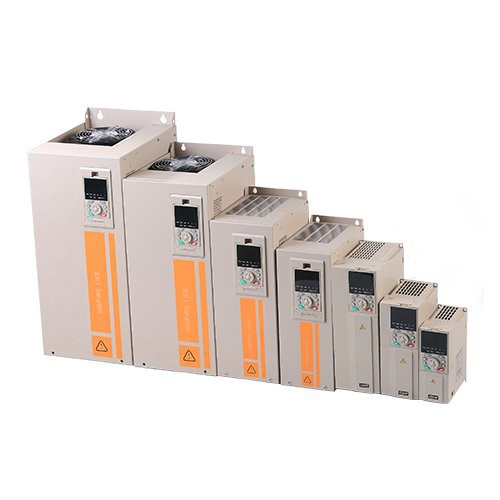
A VFD is an electronic device that controls the speed and torque of an AC motor by varying the frequency and voltage supplied to the motor. It offers several benefits, including energy savings, precise speed control, and reduced mechanical stress on the motor and connected equipment.
Milling machine motors, on the other hand, are designed to power the cutting tools in a milling machine. They need to provide sufficient torque to drive the cutting process, and the speed of the motor can significantly affect the quality of the milling operation. Different milling tasks may require different motor speeds, and this is where a VFD can be extremely useful.
Technical Compatibility
The first thing to consider when determining if a 5.5KW VFD can be used for a milling machine motor is the power rating. The power rating of the VFD should match or exceed the power rating of the motor. If the milling machine motor has a power rating of 5.5KW or less, a 5.5KW VFD can generally be used. However, it's important to note that the actual power consumption of the motor may vary depending on the load and the milling operation.
For example, during heavy cutting operations, the motor may draw more power than its rated power for a short period. In such cases, a VFD with a slightly higher power rating may be more suitable to ensure stable operation and prevent overheating of the VFD.
Another important technical aspect is the voltage and frequency compatibility. Most milling machine motors are designed to operate at a specific voltage and frequency. A 5.5KW VFD should be able to provide the appropriate voltage and frequency range to match the motor's requirements. Additionally, some milling machines may require a three - phase power supply, and the VFD should be capable of converting the input power (which could be single - phase in some cases) to a suitable three - phase output. For single - phase to three - phase conversion, you can consider a Single To Three Phase VFD.
Advantages of Using a 5.5KW VFD for a Milling Machine Motor
- Energy Efficiency: A VFD allows the motor to operate at the optimal speed for the specific milling task. By reducing the motor speed when full power is not required, energy consumption can be significantly reduced. This not only saves on electricity costs but also contributes to a more sustainable operation.
- Precise Speed Control: Different milling operations require different cutting speeds. A VFD provides precise control over the motor speed, allowing for better surface finish and accuracy in the milling process. This is particularly important for high - precision milling tasks.
- Soft Start and Stop: A VFD enables a soft start and stop of the motor. Instead of a sudden jolt when the motor starts or stops, the VFD gradually ramps up or down the speed. This reduces mechanical stress on the motor, the milling machine components, and the cutting tools, extending their lifespan.
- Torque Control: In some milling operations, maintaining a constant torque is crucial. A VFD can adjust the motor torque according to the load, ensuring consistent performance throughout the milling process.
Limitations and Considerations
- Initial Cost: The cost of a 5.5KW VFD can be relatively high compared to a simple motor starter. However, it's important to consider the long - term savings in energy costs and the benefits of improved performance and equipment lifespan.
- Harmonics: VFDs can generate electrical harmonics, which can cause problems in the electrical system, such as overheating of transformers and interference with other electrical equipment. To mitigate this issue, harmonic filters may be required, adding to the overall cost.
- Motor Compatibility: Not all motors are suitable for use with a VFD. Some older motors may not be designed to handle the variable frequency and voltage supplied by a VFD, which can lead to premature motor failure. It's important to check the motor manufacturer's specifications to ensure compatibility.
Case Studies
Let's look at a few case studies to illustrate the practical application of a 5.5KW VFD in a milling machine.
Case 1: A small - scale machining workshop had a milling machine with a 4.5KW motor. They installed a 5.5KW VFD to improve the energy efficiency and speed control of the milling process. After the installation, they noticed a significant reduction in their electricity bills, and the quality of the milled parts improved due to the precise speed control.
Case 2: A large - scale manufacturing plant had a milling machine with a 5.5KW motor. They were experiencing frequent breakdowns of the motor and the cutting tools due to the sudden starts and stops. By installing a 5.5KW VFD with a soft - start and stop function, the mechanical stress on the equipment was reduced, and the lifespan of the motor and cutting tools increased.
Other VFD Options
If the power requirements of your milling machine motor are different, there are other VFD options available. For example, if you have a 3.7KW motor, a 3.7KW VFD may be more suitable. Additionally, if your milling machine operates at a higher voltage range, such as 660V - 690V, a 660V - 690V VFD can be considered.

Conclusion
In conclusion, a 5.5KW VFD can be a great option for a milling machine motor, provided that the technical compatibility is carefully considered. The advantages of energy efficiency, precise speed control, and soft start/stop make it a valuable addition to any milling operation. However, it's important to be aware of the limitations and potential issues, such as harmonics and motor compatibility.
If you're considering using a 5.5KW VFD for your milling machine motor or have any questions about VFD selection, feel free to contact us for more information and to discuss your specific requirements. We're here to help you make the best decision for your milling operation.
References
- “Variable Frequency Drives: Selection, Application, and Maintenance” by Dan Neco.
- Technical manuals of various VFD and milling machine manufacturers.