

Hey there! As a supplier of Outdoor Variable Frequency Drives (VFDs), I've been getting a lot of questions lately about how these nifty devices affect motor efficiency. So, I thought I'd sit down and share my insights with you all.
Let's start with the basics. A VFD is essentially a type of motor controller that adjusts the speed and torque of an electric motor by varying the frequency and voltage supplied to it. Outdoor VFDs, as the name suggests, are designed to be used in outdoor environments, which means they have to be rugged, reliable, and able to withstand a wide range of temperatures, humidity levels, and other environmental factors.
Now, let's talk about how an Outdoor VFD can affect motor efficiency. One of the biggest advantages of using a VFD is that it allows you to match the motor's speed to the actual load requirements of the application. In many traditional motor systems, the motor runs at a fixed speed, regardless of whether the load is light or heavy. This means that the motor is often operating at less than its optimal efficiency, which can result in wasted energy and higher operating costs.
With an Outdoor VFD, you can adjust the motor's speed based on the actual load, which means the motor can operate at its most efficient point. For example, if you have a pump that only needs to run at half speed for most of the time, you can use a VFD to reduce the motor's speed to 50%. This not only saves energy but also reduces wear and tear on the motor, which can extend its lifespan.
Another way that an Outdoor VFD can improve motor efficiency is by reducing the inrush current when the motor starts. When a traditional motor starts, it draws a large amount of current, which can cause voltage drops in the electrical system and put a strain on the motor and other equipment. A VFD can gradually ramp up the motor's speed, which reduces the inrush current and minimizes the impact on the electrical system.
In addition to improving energy efficiency and reducing inrush current, an Outdoor VFD can also provide other benefits, such as improved process control, reduced maintenance costs, and increased equipment reliability. For example, if you have a conveyor belt that needs to run at a specific speed, you can use a VFD to precisely control the motor's speed, which can improve the accuracy and consistency of the process.
Now, let's take a look at some specific examples of how an Outdoor VFD can affect motor efficiency in different applications.
Pumping Systems
Pumping systems are one of the most common applications for VFDs. In a typical pumping system, the pump is sized to handle the maximum flow and pressure requirements of the system. However, in many cases, the actual flow and pressure requirements are much lower than the maximum. This means that the pump is often operating at less than its optimal efficiency, which can result in wasted energy and higher operating costs.
By using an Outdoor VFD to adjust the pump's speed based on the actual flow and pressure requirements, you can significantly improve the pump's efficiency. For example, if you have a pump that is designed to operate at 100% speed but only needs to run at 70% speed for most of the time, you can use a VFD to reduce the pump's speed to 70%. This can save up to 30% of the energy consumed by the pump.
HVAC Systems
HVAC systems are another common application for VFDs. In a typical HVAC system, the fans and pumps are sized to handle the maximum load requirements of the system. However, in many cases, the actual load requirements are much lower than the maximum. This means that the fans and pumps are often operating at less than their optimal efficiency, which can result in wasted energy and higher operating costs.
By using an Outdoor VFD to adjust the speed of the fans and pumps based on the actual load requirements, you can significantly improve the HVAC system's efficiency. For example, if you have a fan that is designed to operate at 100% speed but only needs to run at 60% speed for most of the time, you can use a VFD to reduce the fan's speed to 60%. This can save up to 40% of the energy consumed by the fan.
Compressor Systems
Compressor systems are also a common application for VFDs. In a typical compressor system, the compressor is sized to handle the maximum load requirements of the system. However, in many cases, the actual load requirements are much lower than the maximum. This means that the compressor is often operating at less than its optimal efficiency, which can result in wasted energy and higher operating costs.
By using an Outdoor VFD to adjust the speed of the compressor based on the actual load requirements, you can significantly improve the compressor system's efficiency. For example, if you have a compressor that is designed to operate at 100% speed but only needs to run at 80% speed for most of the time, you can use a VFD to reduce the compressor's speed to 80%. This can save up to 20% of the energy consumed by the compressor.
So, as you can see, an Outdoor VFD can have a significant impact on motor efficiency in a variety of applications. If you're looking to improve the energy efficiency of your motor systems, reduce your operating costs, and increase the reliability of your equipment, then an Outdoor VFD may be the right solution for you.
At our company, we offer a wide range of Outdoor VFDs to meet the needs of different applications. Whether you're looking for a 37KW VFD, a VF Control VFD, or a 3.7KW VFD, we have the right product for you.
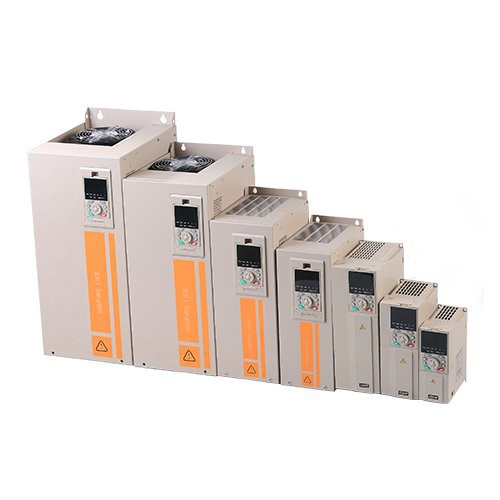

If you're interested in learning more about our Outdoor VFDs or would like to discuss your specific application requirements, please don't hesitate to contact us. We'd be happy to help you find the right solution for your needs.
References
- "Variable Frequency Drives: An Energy-Efficient Solution for Motor Control" by the U.S. Department of Energy
- "The Benefits of Using Variable Frequency Drives in Industrial Applications" by the Electric Power Research Institute
- "How to Improve Motor Efficiency with Variable Frequency Drives" by the International Electrotechnical Commission