

As a supplier of Feedback Units, I've witnessed firsthand the critical role temperature plays in the performance and longevity of these essential components. In this blog, I'll delve into the scientific aspects of how temperature affects a Feedback Unit, drawing on my industry experience and knowledge.
Thermal Expansion and Contraction
One of the most fundamental ways temperature impacts a Feedback Unit is through thermal expansion and contraction. All materials expand when heated and contract when cooled, and this physical property can have significant consequences for the delicate internal components of a Feedback Unit.
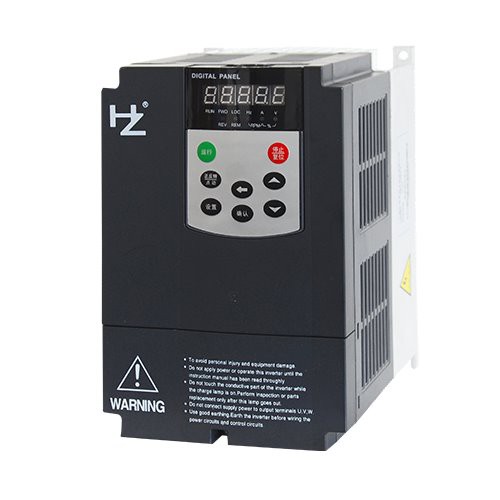
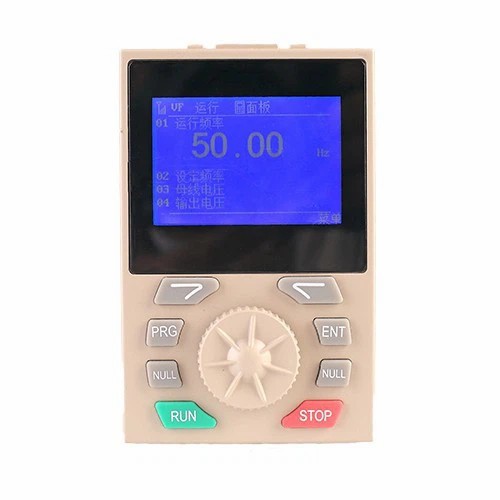
For instance, the LCD Panel and LED Digital Panel used in many Feedback Units are made up of multiple layers of different materials. Each material has a different coefficient of thermal expansion, which means they expand and contract at different rates when the temperature changes. This differential expansion can lead to stress and strain on the panels, potentially causing delamination, cracking, or other forms of damage over time.
Similarly, the mechanical components within a Feedback Unit, such as gears, bearings, and shafts, are also subject to thermal expansion and contraction. If the temperature fluctuates too much, these components can become misaligned, leading to increased friction, wear, and tear. This can not only reduce the accuracy and reliability of the Feedback Unit but also shorten its lifespan.
Electrical Properties
Temperature can also have a profound effect on the electrical properties of a Feedback Unit. Many of the electronic components used in these devices, such as resistors, capacitors, and transistors, are sensitive to temperature changes.
As the temperature rises, the resistance of a resistor typically increases. This can affect the voltage and current levels within the Feedback Unit, potentially leading to errors in the feedback signal. Similarly, the capacitance of a capacitor can change with temperature, which can impact the timing and filtering functions of the circuit.
Transistors, which are used to amplify and switch electrical signals, are also highly temperature-dependent. At high temperatures, the gain of a transistor can decrease, leading to reduced signal strength and potential distortion. In extreme cases, excessive heat can cause a transistor to fail completely, rendering the Feedback Unit inoperable.
Chemical Reactions
In addition to its physical and electrical effects, temperature can also trigger chemical reactions within a Feedback Unit. For example, the solder joints used to connect the electronic components to the circuit board can be affected by temperature. At high temperatures, the solder can melt or become brittle, leading to poor electrical connections or even complete detachment of the components.
The insulation materials used in the wiring and connectors of a Feedback Unit can also degrade over time due to exposure to high temperatures. This can increase the risk of electrical shorts and other safety hazards.
Cooling and Heating Considerations
To mitigate the negative effects of temperature on a Feedback Unit, it's essential to implement proper cooling and heating strategies. In applications where the Feedback Unit is exposed to high ambient temperatures, such as in industrial environments or outdoor installations, cooling systems may be required.
These cooling systems can range from simple heat sinks and fans to more sophisticated liquid cooling systems. Heat sinks are passive devices that absorb and dissipate heat from the Feedback Unit, while fans help to circulate air and enhance the cooling effect. Liquid cooling systems, on the other hand, use a coolant fluid to transfer heat away from the components, providing more efficient cooling in high-power applications.
Conversely, in cold environments, heating may be necessary to ensure the proper operation of the Feedback Unit. This can be achieved through the use of heating elements or insulation materials to maintain a stable internal temperature.
Environmental Factors
In addition to the direct effects of temperature, other environmental factors can also interact with temperature to impact the performance of a Feedback Unit. For example, humidity can exacerbate the effects of temperature on electronic components by promoting corrosion and the growth of mold and mildew.
Dust and debris can also accumulate on the surface of the Feedback Unit, blocking the ventilation openings and reducing the effectiveness of the cooling system. This can lead to overheating and premature failure of the device.
Conclusion
In conclusion, temperature is a critical factor that can significantly affect the performance, accuracy, and lifespan of a Feedback Unit. As a supplier, I understand the importance of designing and manufacturing these devices to withstand a wide range of temperature conditions.
By implementing proper cooling and heating strategies, using high-quality materials, and conducting rigorous testing, we can ensure that our Feedback Units provide reliable and accurate feedback in even the most challenging environments.
If you're in the market for a Feedback Unit or have any questions about how temperature may affect your specific application, I encourage you to contact us to discuss your requirements. Our team of experts is always available to provide you with the information and support you need to make an informed decision.
References
- "Thermal Management in Electronic Systems" by Craig D. Hansen
- "Electronic Devices and Circuit Theory" by Robert L. Boylestad and Louis Nashelsky
- "Fundamentals of Electric Circuits" by Charles K. Alexander and Matthew N. O. Sadiku