

When it comes to selecting the right Outdoor Variable Frequency Drive (VFD) for your application, there are numerous factors to consider. As an Outdoor VFD supplier, I've encountered a wide range of customers with diverse needs. In this blog, I'll guide you through the process of choosing the most suitable Outdoor VFD for your specific requirements.
Understanding the Basics of Outdoor VFDs
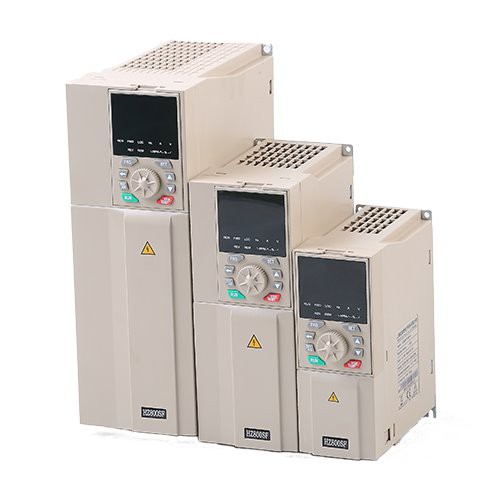
Before delving into the selection process, it's essential to understand what an Outdoor VFD is and how it functions. An Outdoor VFD is a device that controls the speed and torque of an electric motor by varying the frequency and voltage supplied to it. Unlike standard VFDs, Outdoor VFDs are designed to withstand harsh environmental conditions, such as extreme temperatures, humidity, dust, and UV radiation.
Outdoor VFDs are commonly used in applications such as water pumps, fans, conveyors, and agricultural equipment. By adjusting the motor speed, these drives can optimize energy consumption, reduce wear and tear on the motor, and improve overall system efficiency.

Factors to Consider When Choosing an Outdoor VFD
1. Environmental Conditions
The first and most crucial factor to consider is the environmental conditions in which the VFD will operate. Outdoor environments can be extremely harsh, so the VFD must be able to withstand these conditions without compromising performance.
- Temperature Range: Determine the minimum and maximum temperatures the VFD will be exposed to. Some Outdoor VFDs are designed to operate in temperatures ranging from -20°C to 60°C or even wider.
- Humidity and Moisture: High humidity and moisture can cause corrosion and damage to electronic components. Look for VFDs with a high degree of protection against moisture, such as an IP rating of IP54 or higher.
- Dust and Debris: Outdoor areas are often dusty, and dust can accumulate inside the VFD, leading to overheating and component failure. Choose a VFD with a sealed enclosure to prevent dust ingress.
- UV Radiation: Prolonged exposure to UV radiation can degrade the plastic and rubber components of the VFD. Select a VFD with UV-resistant materials or a protective coating.
2. Motor Compatibility
The VFD must be compatible with the motor it will be controlling. Consider the following aspects of motor compatibility:
- Motor Type: Different types of motors, such as induction motors, permanent magnet motors, and servo motors, require different control algorithms. Make sure the VFD is designed to work with the specific type of motor you have.
- Motor Power Rating: The VFD's power rating should match or exceed the motor's power rating. Choosing a VFD with a lower power rating can lead to overheating and premature failure, while a VFD with a much higher power rating may be more expensive and less efficient.
- Voltage and Phase: Ensure that the VFD can handle the voltage and phase requirements of your motor. For example, if you have a 120V single-phase motor, you may need a VFD For 120v Single Phase Motor.
3. Performance Requirements
Your application may have specific performance requirements that the VFD must meet. Consider the following performance factors:
- Speed Range: Determine the minimum and maximum speeds required for your application. The VFD should be able to provide a wide speed range with precise control.
- Torque Control: Some applications, such as conveyor systems and cranes, require high torque at low speeds. Look for a VFD with advanced torque control capabilities.
- Dynamic Response: If your application requires rapid changes in speed or torque, the VFD should have a fast dynamic response to ensure smooth operation.
4. Control and Communication Features
Modern Outdoor VFDs offer a variety of control and communication features that can enhance system functionality and ease of use.
- Control Modes: The VFD should support different control modes, such as manual control, remote control, and automatic control. This allows you to choose the most suitable control method for your application.
- Communication Protocols: Look for a VFD with support for common communication protocols, such as Modbus, Profibus, or Ethernet. This enables seamless integration with other devices in your system, such as PLCs and HMIs.
- Monitoring and Diagnostic Features: Some VFDs offer built-in monitoring and diagnostic features, such as real-time motor status monitoring, fault detection, and error logging. These features can help you identify and troubleshoot problems quickly.
5. Cost and Return on Investment
Cost is always a consideration when choosing an Outdoor VFD. However, it's important to look beyond the initial purchase price and consider the long-term cost and return on investment.
- Energy Efficiency: A more energy-efficient VFD can save you money on electricity bills over the long run. Look for VFDs with high energy efficiency ratings, such as IE3 or higher.
- Maintenance and Service: Consider the maintenance requirements and service life of the VFD. A VFD with a longer service life and lower maintenance requirements can reduce your overall operating costs.
- Warranty and Support: Choose a VFD from a reputable supplier that offers a good warranty and reliable technical support. This can give you peace of mind and ensure that you receive prompt assistance if any issues arise.
Types of Outdoor VFDs
1. Inverter Drive
Inverter drives are the most common type of VFD. They use power electronics to convert the incoming AC power to DC power and then back to AC power at the desired frequency and voltage. Inverter drives are suitable for a wide range of applications and offer high efficiency and precise control.
2. VFD Single Phase To 3 Phase
If you have a single-phase power supply but need to run a three-phase motor, a VFD Single Phase To 3 Phase can be a great solution. These drives convert the single-phase input power to three-phase output power, allowing you to use three-phase motors in applications where only single-phase power is available.
Making the Right Choice
Once you've considered all the factors above, it's time to make a decision. Here are some tips to help you choose the right Outdoor VFD:
- Research and Compare: Do your research and compare different VFD models from various suppliers. Look for reviews and testimonials from other customers to get an idea of the performance and reliability of the VFDs.
- Consult with an Expert: If you're unsure about which VFD is best for your application, consult with an expert. As an Outdoor VFD supplier, I'm always happy to help you choose the right product based on your specific requirements.
- Request a Quote: Once you've narrowed down your choices, request a quote from the suppliers. Compare the prices, features, and warranties of the VFDs to find the best value for your money.
Contact Us for Purchase and Consultation
If you're in the process of selecting an Outdoor VFD for your application, I encourage you to reach out to us. Our team of experts can provide you with detailed information about our products, help you choose the right VFD for your needs, and offer competitive pricing. We're committed to providing high-quality products and excellent customer service. Don't hesitate to contact us for further discussion and procurement negotiation.
References
- "Variable Frequency Drives: Principles, Operation, and Troubleshooting" by Thomas H. Ortmeyer
- "Industrial Electronics Handbook" edited by William C. Wolfe
- Manufacturer's technical documentation for Outdoor VFDs