

As a supplier of 5.5KW Variable Frequency Drives (VFDs), I've witnessed firsthand the challenges that radio frequency interference (RFI) can pose to these crucial pieces of equipment. RFI can disrupt the normal operation of VFDs, leading to malfunctions, reduced efficiency, and even potential damage. In this blog, I'll share some effective strategies on how to protect a 5.5KW VFD from radio frequency interference.
Understanding Radio Frequency Interference
Radio frequency interference refers to the electromagnetic noise that can disrupt the proper functioning of electronic devices. VFDs are particularly susceptible to RFI because they generate and operate with high - frequency electrical signals. Sources of RFI can be both internal and external. Internal sources may include the switching operations within the VFD itself, while external sources can range from nearby radio transmitters, mobile phones, and other electrical equipment.
Impact of RFI on 5.5KW VFDs
When a 5.5KW VFD is exposed to RFI, several issues can arise. Firstly, it can cause erratic operation of the drive. The VFD may experience sudden speed fluctuations, incorrect torque control, or even shut down unexpectedly. This can lead to production downtime in industrial applications, resulting in significant financial losses. Secondly, RFI can degrade the performance of the VFD over time, reducing its lifespan and increasing the need for maintenance and replacement.
Strategies to Protect 5.5KW VFDs from RFI
1. Proper Grounding
One of the most fundamental steps in protecting a 5.5KW VFD from RFI is proper grounding. A good grounding system provides a low - impedance path for the RFI currents to flow safely to the ground. The VFD should be connected to a dedicated grounding electrode with a low resistance. The grounding wire should be as short and thick as possible to minimize the impedance. In addition, all metal enclosures of the VFD and associated equipment should be properly grounded to prevent the buildup of static electricity and RFI.
2. Use of Shielded Cables
Shielded cables are an effective way to reduce RFI. The shield acts as a barrier, preventing the RFI signals from entering or leaving the cable. When installing a 5.5KW VFD, use shielded power cables and control cables. The shield should be grounded at both ends to ensure maximum effectiveness. For example, in a factory environment where there are many electrical devices generating RFI, shielded cables can significantly reduce the interference reaching the VFD.
3. Installation of RFI Filters
RFI filters are designed to block unwanted RFI signals while allowing the desired electrical signals to pass through. There are different types of RFI filters available, such as line - input filters and output filters. Line - input filters are installed at the input of the VFD to block RFI from the power supply. Output filters are used to reduce the RFI generated by the VFD and transmitted to the motor. When selecting an RFI filter, make sure it is rated for the power and frequency of the 5.5KW VFD.
4. Physical Separation
Physical separation of the VFD from potential sources of RFI can also be an effective protection measure. Keep the VFD away from radio transmitters, high - power electrical equipment, and other sources of electromagnetic noise. In an industrial setting, consider installing the VFD in a separate electrical cabinet or room. If possible, use metal partitions or enclosures to further isolate the VFD from RFI.
5. Use of Metal Enclosures
Metal enclosures can act as a Faraday cage, shielding the VFD from external RFI. The metal enclosure should be properly grounded to ensure that any RFI that penetrates the enclosure is safely dissipated to the ground. Make sure the enclosure has a good seal to prevent RFI from entering through gaps or openings.
Importance of Choosing the Right VFD
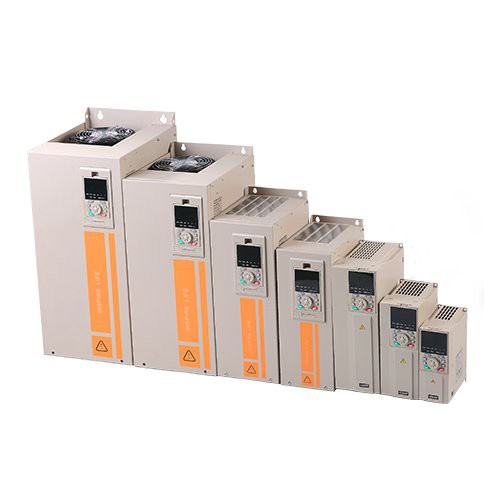
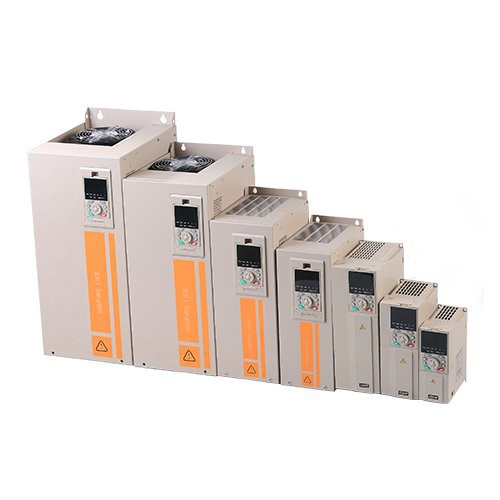
When dealing with RFI protection, choosing the right VFD is crucial. A high - quality VFD is often designed with better RFI immunity. As a supplier, I recommend considering Normal Duty and Heavy Duty VFD options. These VFDs are built to withstand different operating conditions and are more resistant to RFI. Additionally, 3.7KW VFD models may also have features that can be adapted to reduce RFI, and they can be a good alternative in some applications. Inverter Drive technology has also advanced in terms of RFI protection, providing more stable and reliable operation.
Regular Maintenance and Monitoring
Even with all the protective measures in place, regular maintenance and monitoring of the 5.5KW VFD are essential. Check the grounding connections periodically to ensure they are secure and have low resistance. Inspect the shielded cables for any signs of damage or wear. Monitor the performance of the VFD, looking for any signs of RFI - related issues such as erratic operation or increased noise levels. By detecting and addressing RFI problems early, you can prevent more serious damage to the VFD.
Conclusion
Protecting a 5.5KW VFD from radio frequency interference is a multi - faceted task that requires a combination of proper installation, the use of appropriate equipment, and regular maintenance. By following the strategies outlined in this blog, you can significantly reduce the impact of RFI on your VFD, ensuring its reliable operation and extending its lifespan.
If you are in the market for a 5.5KW VFD or need more information on RFI protection, I encourage you to reach out for a procurement discussion. We have a wide range of high - quality VFDs that are designed to meet your specific needs and can provide expert advice on RFI protection.
References
- "Electromagnetic Compatibility Engineering" by Henry W. Ott.
- Manufacturer's manuals for 5.5KW VFDs.
- Industry standards and guidelines on RFI protection for electrical equipment.