

Hey there! As a supplier of 30KW VFDs (Variable Frequency Drives), I often get asked about how to set the torque compensation parameters of these drives. It's a crucial topic because proper torque compensation can significantly enhance the performance of your motor and the overall system. In this blog, I'll walk you through the process step by step.
What is Torque Compensation?
Before we dive into setting the parameters, let's quickly understand what torque compensation is. In simple terms, torque compensation is a feature in VFDs that adjusts the output voltage to maintain a constant torque across different speeds. Motors tend to lose torque at lower speeds due to factors like stator resistance. Torque compensation helps to counteract this loss, ensuring that the motor can deliver the required torque even at low speeds.
Why is Torque Compensation Important for a 30KW VFD?
A 30KW VFD is commonly used in various industrial applications, such as conveyor belts, pumps, and fans. In these applications, maintaining a consistent torque is essential for smooth operation. For example, in a conveyor belt system, if the torque drops at low speeds, the belt may stall or move unevenly, leading to production delays and potential damage to the products. By setting the torque compensation parameters correctly, you can ensure that the motor operates efficiently and reliably throughout its speed range.
Step 1: Understand Your Application
The first step in setting the torque compensation parameters is to understand your specific application. Different applications have different torque requirements. For instance, a constant torque application, like a conveyor belt, requires the same amount of torque at all speeds. On the other hand, a variable torque application, such as a fan or a pump, requires less torque at lower speeds. You can learn more about different types of applications and their VFD requirements here: Frequency Drive for Three Phase Motor.
To determine the torque requirements of your application, you need to consider factors like the load type, the speed range, and the acceleration and deceleration times. If you're not sure about these parameters, it's a good idea to consult with an engineer or an experienced technician.
Step 2: Access the VFD's Parameter Menu
Once you've understood your application, the next step is to access the VFD's parameter menu. The process of accessing the menu may vary depending on the make and model of your VFD. Generally, you can use the keypad or the display panel on the VFD to navigate through the menu.
Look for the section related to torque compensation. It may be labeled as "Torque Compensation," "V/F Compensation," or something similar. In some VFDs, you may need to enter a password or a specific code to access advanced parameters. Make sure you have the necessary access rights before proceeding.

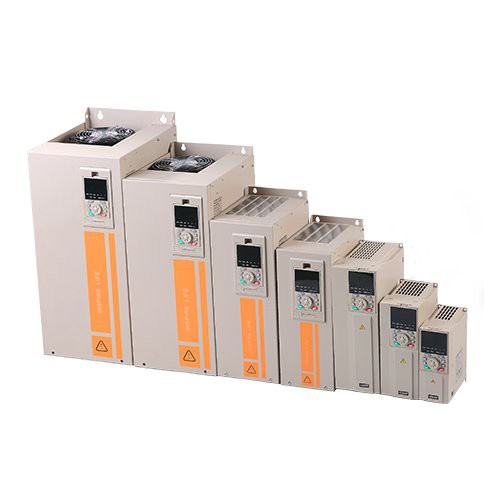
Step 3: Choose the Torque Compensation Mode
Most VFDs offer different torque compensation modes, such as linear compensation, quadratic compensation, and manual compensation. The choice of mode depends on your application.
- Linear Compensation: This mode provides a constant increase in voltage with respect to frequency. It's suitable for constant torque applications, where the torque requirement remains the same at all speeds.
- Quadratic Compensation: This mode provides a quadratic increase in voltage with respect to frequency. It's ideal for variable torque applications, such as fans and pumps, where the torque requirement decreases at lower speeds.
- Manual Compensation: This mode allows you to manually adjust the torque compensation level. It's useful when you need to fine-tune the compensation based on the specific requirements of your application. You can find more information about different types of VFDs and their compensation modes here: Inverter Drive.
Step 4: Set the Torque Compensation Level
After choosing the appropriate mode, you need to set the torque compensation level. The compensation level is usually expressed as a percentage. A higher percentage means more voltage is applied to the motor to compensate for the torque loss.
Start with a low compensation level, such as 5%, and gradually increase it while monitoring the motor's performance. You can use a motor analyzer or a torque meter to measure the actual torque output. The goal is to find the optimal compensation level that provides sufficient torque without overloading the motor.
It's important to note that setting the compensation level too high can lead to overheating of the motor and increased energy consumption. On the other hand, setting it too low may result in insufficient torque and poor performance.
Step 5: Test and Adjust
Once you've set the torque compensation level, it's time to test the system. Start the motor and observe its operation at different speeds. Pay attention to any signs of stalling, overheating, or abnormal noise. If you notice any issues, adjust the compensation level accordingly.
You may need to repeat the testing and adjustment process several times to find the optimal settings. It's also a good idea to document the settings and the test results for future reference.
Step 6: Consider the Duty Cycle
Another important factor to consider when setting the torque compensation parameters is the duty cycle of your application. The duty cycle refers to the ratio of the operating time to the total time. Applications with a high duty cycle, such as continuous operation, require more robust torque compensation settings to ensure long-term reliability.
There are two main types of duty cycles for VFDs: normal duty and heavy duty. Normal duty VFDs are designed for applications with a relatively low duty cycle, while heavy duty VFDs are suitable for applications with a high duty cycle. You can learn more about the differences between normal duty and heavy duty VFDs here: Normal Duty and Heavy Duty VFD.
Conclusion
Setting the torque compensation parameters of a 30KW VFD is a crucial step in ensuring the optimal performance of your motor and the overall system. By following the steps outlined in this blog, you can set the parameters correctly and avoid common issues like stalling, overheating, and poor performance.
If you're still unsure about how to set the torque compensation parameters or if you need help with your VFD, don't hesitate to contact us. We're a leading supplier of 30KW VFDs, and our team of experts is always ready to assist you. Whether you're looking to purchase a new VFD or need technical support for your existing one, we can provide you with the solutions you need.
References
- "Variable Frequency Drives: Selection, Application, and Maintenance" by D. W. Hart
- "Electric Motors and Drives: Fundamentals, Types, and Applications" by Austin Hughes and Bill Drury