

As a trusted supplier of VF Control Variable Frequency Drives (VFDs), I understand that proper installation is crucial for the optimal performance and longevity of these devices. In this blog post, I will delve into the essential installation requirements for a VF Control VFD, ensuring that you can install and operate your VFD safely and effectively.
1. Electrical Requirements
Power Supply
The first and most fundamental requirement is a suitable power supply. VF Control VFDs are designed to operate within specific voltage and frequency ranges. It is essential to ensure that the power supply voltage matches the rated voltage of the VFD. Common voltage ratings include 200 - 240V and 380 - 480V, depending on the model.
For instance, if you are using a 3.7KW VFD, you need to double - check its voltage and frequency requirements. Connecting the VFD to an incorrect power supply can lead to overheating, damage to internal components, and even pose a safety hazard.
Moreover, the power supply should have stable voltage and frequency. Fluctuations in the power supply can cause the VFD to malfunction. If the power grid in your area is prone to voltage sags or surges, it is advisable to use a voltage stabilizer or a UPS (Uninterruptible Power Supply) to protect the VFD.
Wiring
Proper wiring is essential for the reliable operation of the VFD. The input power cables should be of the appropriate size to handle the rated current of the VFD. Undersized cables can cause excessive voltage drops, leading to inefficient operation and potential damage to the VFD.
When wiring the VFD, it is important to follow the wiring diagram provided in the user manual. The input power terminals (L1, L2, L3 for three - phase systems) and output terminals (U, V, W) should be connected correctly. Incorrect wiring can result in the motor running in the wrong direction or not starting at all.
Additionally, all wiring should be securely fastened to prevent loose connections, which can cause arcing and overheating. It is also recommended to use shielded cables for the control signals to reduce electromagnetic interference (EMI).
2. Environmental Requirements
Temperature and Humidity
VF Control VFDs have specific temperature and humidity operating ranges. Most VFDs are designed to operate in an environment with a temperature range of 0°C to 50°C and a relative humidity of 5% to 95% (non - condensing).
High temperatures can cause the VFD's internal components, such as the power modules and capacitors, to overheat, reducing their lifespan. On the other hand, low temperatures can affect the performance of the electrolytic capacitors. If the operating environment has extreme temperatures, it may be necessary to install the VFD in an air - conditioned enclosure or use a heater in cold environments.
Humidity can also have a significant impact on the VFD. High humidity can cause corrosion of the internal components, while condensation can lead to short - circuits. Therefore, it is important to ensure that the installation location is dry and well - ventilated.
Dust and Pollution
The installation area should be free from excessive dust, dirt, and pollutants. Dust can accumulate on the VFD's heat sinks and fans, reducing their cooling efficiency. Pollutants such as chemicals and corrosive gases can damage the VFD's internal components.
If the installation environment is dusty or polluted, it is recommended to install the VFD in a sealed enclosure with a filter system. This will help to protect the VFD from dust and pollutants, ensuring its reliable operation.
Ventilation
Proper ventilation is crucial for the VFD's cooling. VFDs generate heat during operation, and if this heat is not dissipated effectively, it can cause the VFD to overheat. The VFD should be installed in a well - ventilated area with sufficient air circulation.
Most VFDs are equipped with built - in fans for cooling. However, additional ventilation may be required, especially in high - power applications or in environments with limited air movement. The ventilation system should be designed to ensure that the hot air is effectively removed from the VFD's enclosure.
3. Mounting Requirements
Mounting Orientation
VF Control VFDs are typically designed to be mounted vertically. Mounting the VFD in the correct orientation ensures proper airflow through the internal cooling system. If the VFD is mounted horizontally or at an incorrect angle, it can impede the airflow, leading to overheating.
Before mounting the VFD, make sure to check the user manual for the recommended mounting orientation. Some VFD models may allow for horizontal mounting under certain conditions, but this should be verified with the manufacturer.
Mounting Surface
The mounting surface should be flat, rigid, and able to support the weight of the VFD. A non - flat or unstable mounting surface can cause the VFD to vibrate, which can lead to loose connections and damage to the internal components.
It is also important to ensure that the mounting surface is electrically insulated. If the VFD is mounted on a metal surface, it should be isolated from the surface using insulating pads or brackets to prevent electrical grounding issues.
4. Control and Configuration Requirements
Parameter Setting
Once the VFD is installed, it is necessary to configure the parameters according to the specific application requirements. The parameters include motor rated power, voltage, current, frequency, and speed. Incorrect parameter setting can result in the motor not operating at its optimal performance or even cause damage to the motor and the VFD.
The user manual provides detailed instructions on how to set the parameters. It is recommended to start with the default parameter settings and then make adjustments based on the actual operating conditions. Some VF Control VFDs also support auto - tuning, which can automatically adjust the parameters to match the motor characteristics.
Control Signals
The VFD can be controlled using various control signals, such as analog signals (0 - 10V, 4 - 20mA) or digital signals (on/off). The control signals should be properly connected and configured. For example, if you are using an analog signal to control the motor speed, you need to ensure that the signal range is correctly set in the VFD's parameters.
It is also important to protect the control signals from interference. As mentioned earlier, using shielded cables for the control signals can help to reduce EMI.
5. Safety Requirements
Grounding
Proper grounding is essential for the safety of the VFD and the personnel operating it. The VFD should be grounded to a reliable earth ground. The grounding conductor should be of the appropriate size and securely connected to the VFD's grounding terminal.
Grounding helps to protect against electrical shocks and provides a path for the fault current in case of a short - circuit. It also helps to reduce electromagnetic interference.
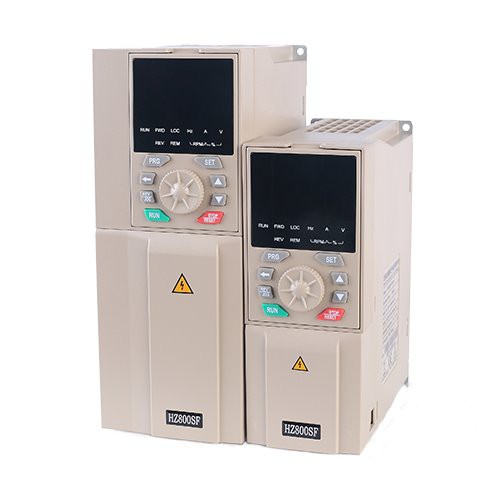

Enclosure and Protection
The VFD should be installed in an appropriate enclosure to protect it from accidental contact and environmental factors. The enclosure should meet the relevant safety standards, such as IP (Ingress Protection) ratings. For example, an IP54 - rated enclosure provides protection against dust and water splashes.
The enclosure should also have proper access doors and safety interlocks. If the enclosure door is opened, the VFD should be automatically shut off to prevent electrical shock.
Conclusion
Installing a VF Control VFD requires careful attention to electrical, environmental, mounting, control, and safety requirements. By following these installation requirements, you can ensure the reliable operation and longevity of the VFD.
If you are in the market for a VF Control VFD, whether it's a 3.7KW VFD, a 2.2KW VFD, or a VFD For Motors, our company can provide you with high - quality products and professional technical support. We are committed to helping you select the right VFD for your application and ensuring its proper installation and operation. If you have any questions or need further assistance with the installation or purchase of a VF Control VFD, please feel free to contact us for procurement discussions.
References
- VF Control VFD User Manuals
- Electrical Installation Standards and Codes
- Industry Best Practices for VFD Installation and Operation