

As a supplier of three-phase Variable Frequency Drives (VFDs), I've often been asked whether these devices can be effectively used in packaging machine applications. In this blog post, I'll delve into the technical aspects, benefits, and considerations of using three-phase VFDs in the packaging industry.
Technical Compatibility
Packaging machines come in various types, including filling machines, sealing machines, labeling machines, and wrapping machines. These machines typically rely on electric motors to perform their functions. Three-phase motors are commonly used in industrial applications due to their efficiency, reliability, and power output. A three-phase VFD, also known as a frequency drive for three-phase motor Frequency Drive for Three Phase Motor, is designed to control the speed and torque of three-phase motors by varying the frequency and voltage supplied to the motor.
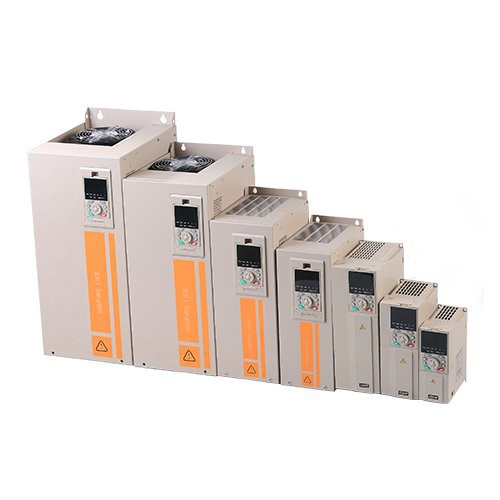

The basic principle of a VFD involves converting the incoming AC power to DC power and then back to AC power at a variable frequency and voltage. This allows the motor to operate at different speeds, which is crucial for packaging machines that require precise control over the production process. For example, in a filling machine, the speed of the motor can be adjusted to control the flow rate of the product being filled. Similarly, in a sealing machine, the motor speed can be optimized to ensure proper sealing of the packages.
Benefits of Using Three-Phase VFDs in Packaging Machines
Energy Efficiency
One of the most significant advantages of using three-phase VFDs in packaging machines is energy savings. Traditional fixed-speed motors consume a constant amount of power regardless of the actual load requirements. In contrast, VFDs can adjust the motor speed according to the load, reducing energy consumption during periods of low demand. For instance, when a packaging machine is operating at a reduced production rate, the VFD can lower the motor speed, resulting in less power consumption. This not only reduces operating costs but also contributes to a more sustainable manufacturing process.
Precise Control
Packaging machines often require precise control over the speed, torque, and position of the motors. Three-phase VFDs offer high levels of control accuracy, allowing for smooth and consistent operation. They can be programmed to perform specific tasks, such as starting and stopping the motor at precise intervals, adjusting the speed in response to changes in the production line, and maintaining a constant torque under varying loads. This level of control is essential for ensuring the quality and consistency of the packaged products.
Reduced Wear and Tear
By controlling the motor speed and torque, VFDs can reduce the mechanical stress on the packaging machine components. Sudden starts and stops, as well as high-speed operation, can cause excessive wear and tear on the motor, belts, gears, and other moving parts. VFDs provide a soft-start and soft-stop function, which gradually ramps up and down the motor speed, minimizing the impact on the machine. This extends the lifespan of the equipment and reduces maintenance costs.
Flexibility and Adaptability
Packaging requirements can change frequently, depending on factors such as product size, shape, and production volume. Three-phase VFDs offer flexibility in adjusting the motor speed and performance to meet these changing needs. They can be easily integrated into existing packaging machines or new production lines, allowing for quick and cost-effective modifications. For example, if a company decides to introduce a new product with different packaging specifications, the VFD can be reprogrammed to adjust the motor speed and torque accordingly.
Considerations for Using Three-Phase VFDs in Packaging Machines
Initial Investment
The cost of purchasing and installing a three-phase VFD can be higher compared to traditional fixed-speed motor control systems. However, it's important to consider the long-term benefits, such as energy savings, reduced maintenance costs, and improved product quality. In many cases, the return on investment (ROI) for VFDs can be achieved within a relatively short period, especially for high-volume packaging operations.
Compatibility with Existing Equipment
Before installing a three-phase VFD in a packaging machine, it's crucial to ensure compatibility with the existing motor and control system. Some older motors may not be suitable for use with VFDs due to differences in insulation, winding design, or cooling requirements. In such cases, it may be necessary to upgrade the motor or make modifications to the control system. Additionally, the VFD should be properly sized to match the motor's power rating and load requirements.
Electromagnetic Interference (EMI)
VFDs can generate electromagnetic interference, which can affect the performance of other electronic devices in the vicinity. To minimize EMI, it's important to use shielded cables, install proper grounding, and follow the manufacturer's guidelines for EMI suppression. In some cases, additional filters or shielding may be required to ensure compliance with electromagnetic compatibility (EMC) standards.
Specific Applications of Three-Phase VFDs in Packaging Machines
Filling Machines
In filling machines, three-phase VFDs are used to control the speed of the pumps or conveyors that transfer the product into the packages. By adjusting the motor speed, the flow rate of the product can be precisely controlled, ensuring accurate filling levels. For example, a 3.7KW VFD 3.7KW VFD can be used to power a pump in a liquid filling machine, allowing for variable flow rates depending on the product viscosity and packaging size.
Sealing Machines
Sealing machines rely on motors to drive the sealing elements, such as heating bars or rollers. Three-phase VFDs can be used to control the speed and pressure of these elements, ensuring proper sealing of the packages. The VFD can also be programmed to adjust the sealing time based on the type of packaging material and the product being sealed.
Labeling Machines
Labeling machines use motors to feed the labels onto the packages and position them accurately. VFDs can control the speed of the label feeders and the conveyor belts, ensuring smooth and precise labeling. They can also be used to synchronize the labeling process with the movement of the packages on the production line.
Wrapping Machines
In wrapping machines, three-phase VFDs are used to control the speed of the film feeders and the rotation of the wrapping heads. This allows for precise control over the amount of film used and the tightness of the wrapping. The VFD can also be adjusted to accommodate different package sizes and shapes.
Conclusion
In conclusion, three-phase VFDs are highly suitable for packaging machine applications. They offer numerous benefits, including energy efficiency, precise control, reduced wear and tear, and flexibility. While there are some considerations to keep in mind, such as the initial investment and compatibility with existing equipment, the long-term advantages outweigh the costs. As a supplier of three-phase VFDs, I'm confident that our products can enhance the performance and productivity of your packaging machines.
If you're interested in learning more about how our three-phase VFDs can be integrated into your packaging operations or if you have any specific requirements, I encourage you to reach out to us for a consultation. Our team of experts is ready to assist you in finding the right solution for your needs. Whether you're looking for a frequency drive for three-phase motor or variable frequency motor controllers Variable Frequency Motor Controllers, we have a wide range of products to choose from.
References
- "Variable Frequency Drives: Selection, Application, and Troubleshooting" by Thomas L. Bishop
- "Industrial Motor Control" by William C. Boyes
- Technical literature from major VFD manufacturers